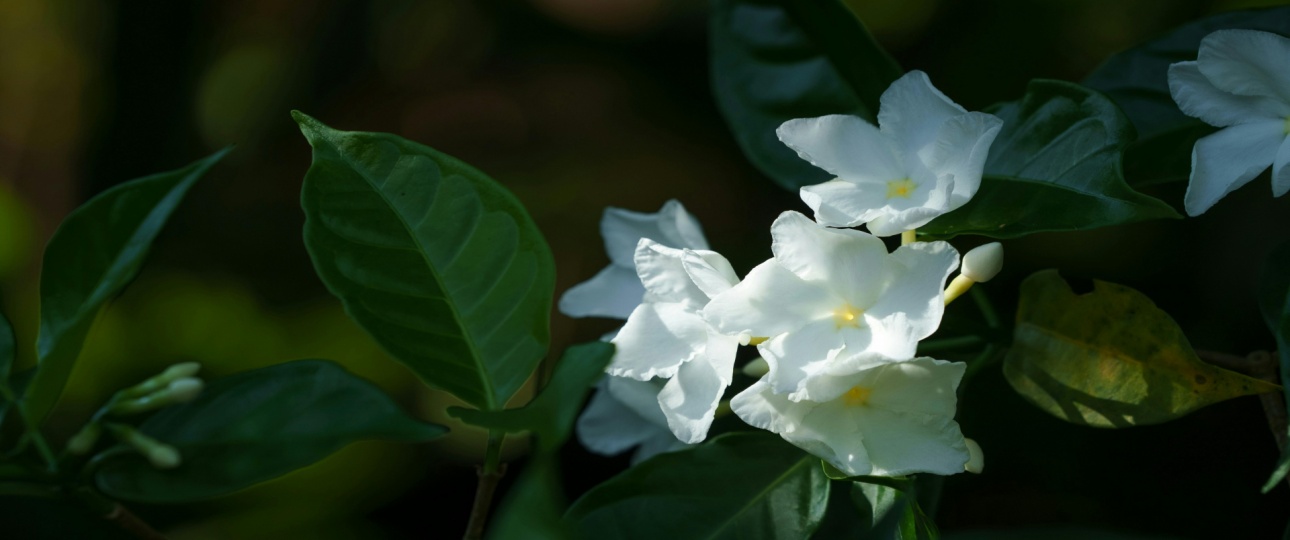
10 days slow travel around Wuyi Mountain for enjoying Chinese Black Tea
Overview
From Jasmine Gardens to Rock Tea Cliffs: A Slow Pilgrimage to the Birthplace of Black Tea and Oolong.
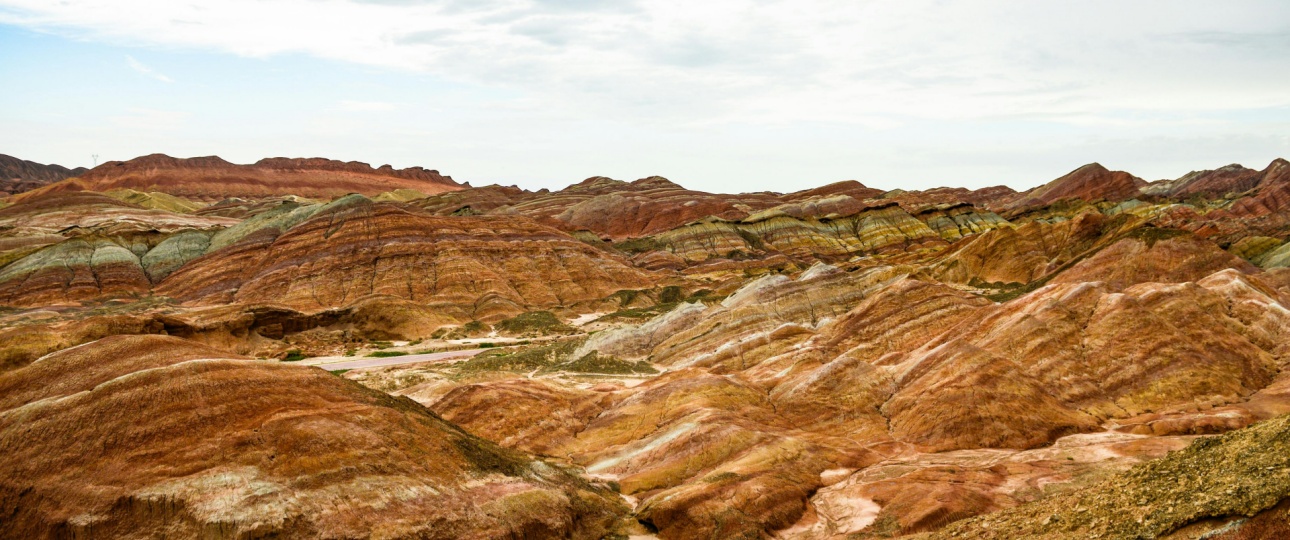
Long before tea became the world’s most consumed beverage after water, one mountain range in northern Fujian had already been shaping its destiny for over a thousand years. Wuyishan is not merely a scenic area — it is a UNESCO World Heritage site for both nature and culture, a rare dual designation shared by only a handful of places on earth. Its dramatic red sandstone cliffs, draped in mist and ancient tea bushes, gave birth to two of China’s most celebrated teas: the smoky, pine-scented Lapsang Souchong and the floral, mineral-rich Da Hong Pao.
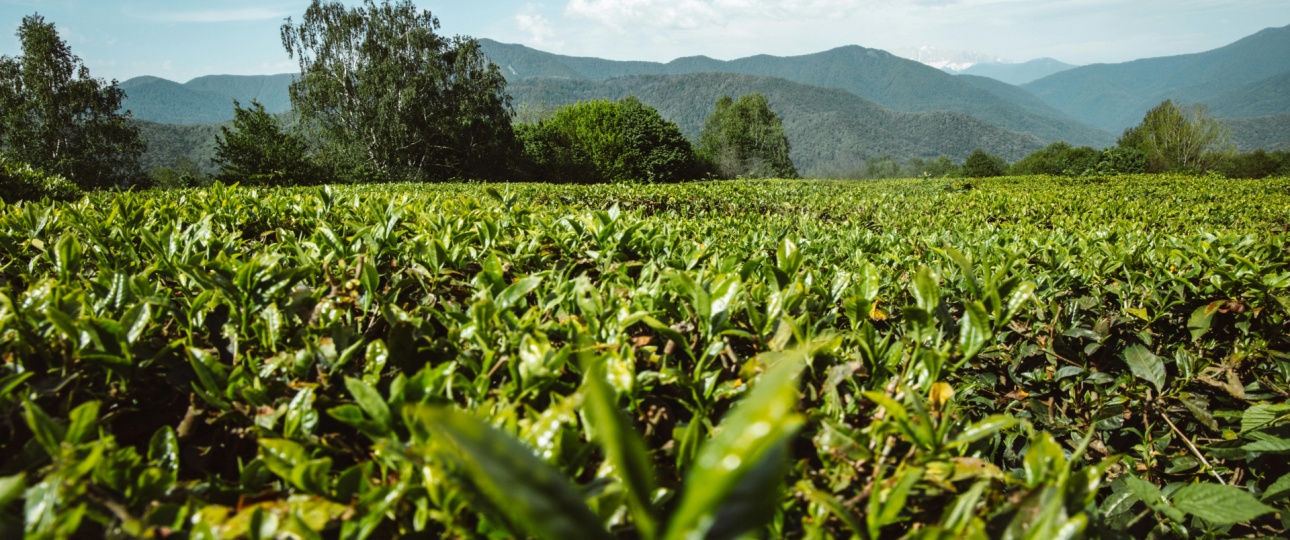
This optimized 10-day journey begins in Fuzhou, the fragrant jasmine tea capital, before gliding by high-speed rail into the heart of the Wuyi Mountains. Here, you will spend six unhurried days in a tea estate surrounded by 300 mu of organic tea gardens, drifting to sleep above a lotus pond and waking to the sound of birdsong in ancient camphor groves. You will walk the “Three Pits and Two Gullies” — the sacred terroir where the world’s most expensive rock tea is harvested — and explore the legendary core micro-terroirs of Matouyan and Niulankeng. You will visit the retreat where Zhu Xi, the great Song Dynasty philosopher, founded the academy that shaped East Asian thought for eight centuries. And you will venture into the restricted Tongmu Pass, the birthplace of black tea itself, where traditional smoking towers still cure tea leaves over pine fires.
There are no rushed bus transfers, no staged tea ceremonies, and no shopping stops. Just a slow, contemplative pilgrimage into the mountains where tea was born — where every cup holds the taste of mineral-rich rock, ancient pine smoke, and a thousand years of craft.
Trip Highlights
- Walk the sacred terroir of rock tea — the "Three Pits and Two Gullies" of the Wuyi core scenic area, plus exclusive hikes through Matouyan ("Horse Head Rock") and Niulankeng ("Ox Pen Gully"), the source of the world's most sought-after rock teas
- Visit Zhu Xi's Wuyi Academy — the Song Dynasty retreat where the great philosopher taught for over a decade, shaping the Neo-Confucian thought that defined East Asian civilization for eight centuries
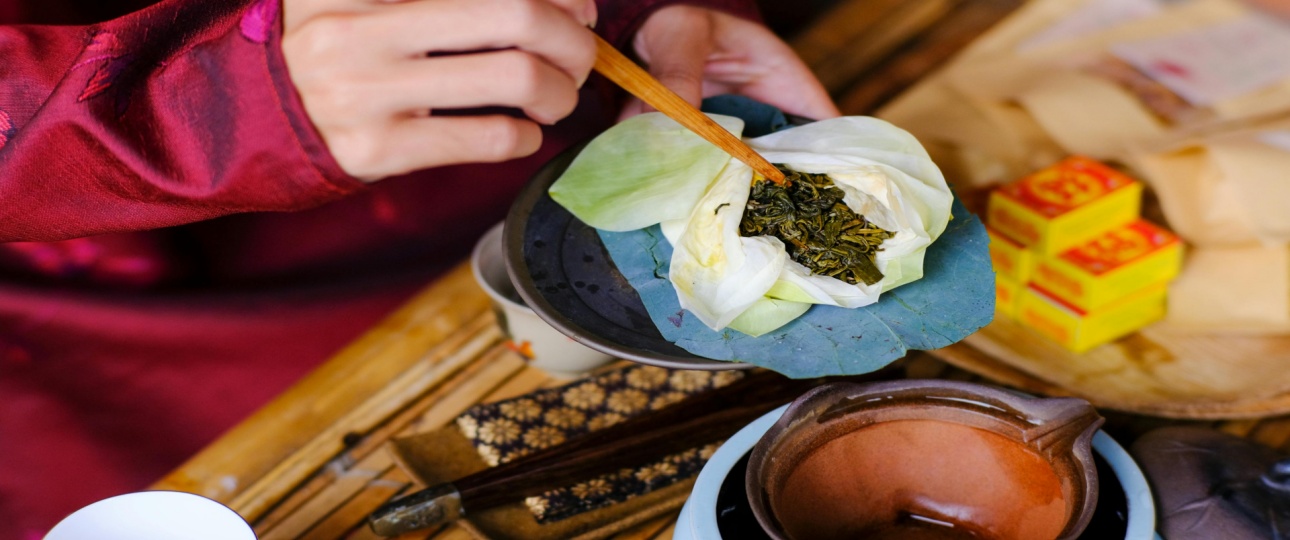
- Taste Da Hong Pao and Lapsang Souchong at their source — private tea sessions with local tea masters, comparing vintages, micro-terroirs and roast levels in a cliffside pavilion overlooking the very slopes that grew them
- Sleep inside a 300-mu organic tea estate for six nights — at an authentic tea manor with lotus ponds, ancient camphor groves, and a private tea museum, waking to birdsong and drifting to sleep above a pond
- Glide down the Nine-Bend Stream on a bamboo raft — a 1.5-hour descent through the gorge, passing 36 named peaks, ancient rock inscriptions, and the same scenery that inspired centuries of Chinese landscape painting
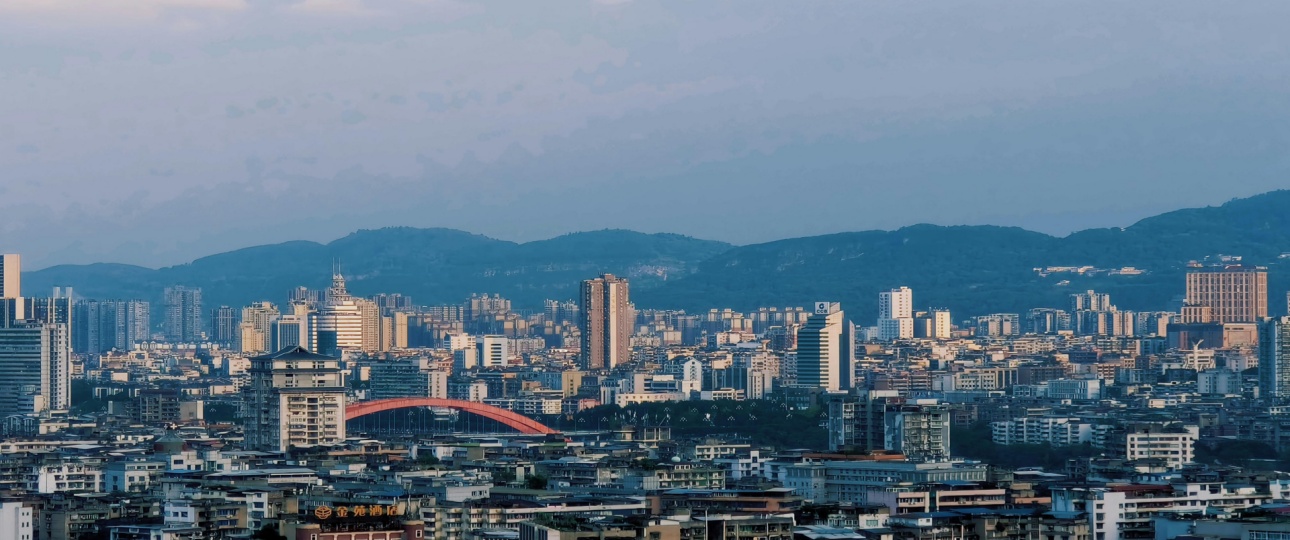
- Explore Fuzhou's jasmine tea culture — from the historic Three Lanes and Seven Alleys to a guided tasting at a traditional jasmine tea cultural center, discovering the delicate art of scenting tea with fresh blossoms
- Visit Tianxin Yongle Temple — the ancient Buddhist monastery where monks first cultivated and protected the legendary Da Hong Pao tea bushes over 360 years ago
- All intercity transfers by high-speed rail — Fuzhou to Wuyishan in approximately 1 hour, with private vehicle support for all scenic area access; daily driving strictly minimized