11 Days through Harbin, Hengdaohezi & Hulunbuir
Overview
From Byzantine Domes to Grassland Horizons: An Architectural and Scenic Odyssey Across China’s Northeast.
There are journeys through China that trace the wooden temples of Shanxi or the classical gardens of Jiangnan. This one follows a different thread — the story of the Northeast, told in stone, steel, and grassland.
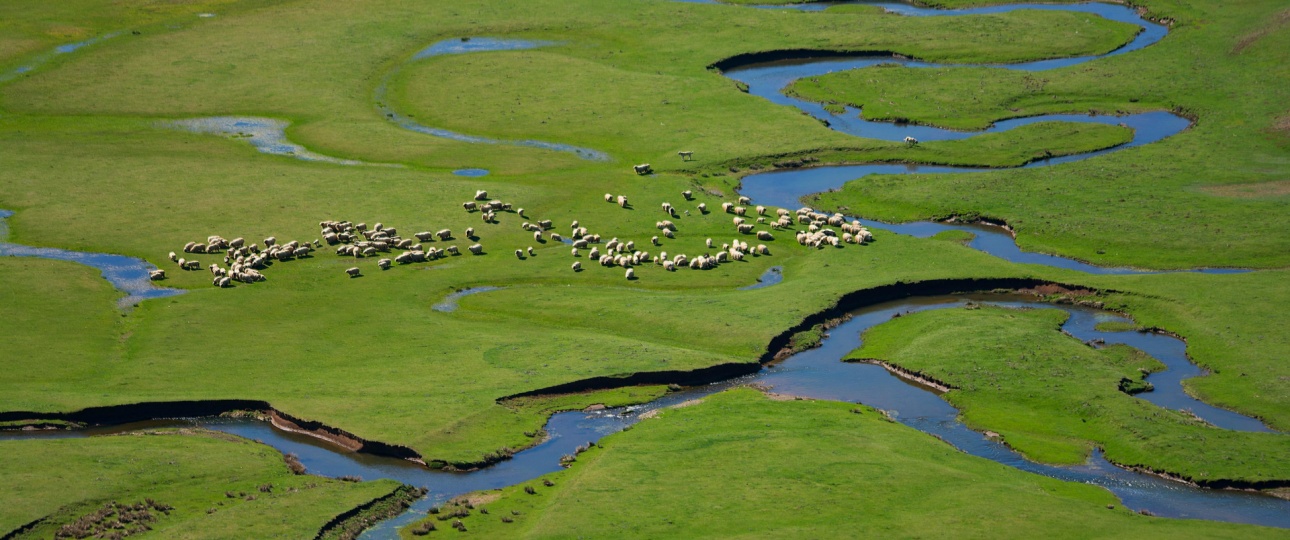
In Harbin, the Russian Empire left behind a cityscape that belongs as much to Europe as to Asia: a Byzantine cathedral rising above a frozen river, a cobblestone boulevard of Art Nouveau facades, and the singular “Chinese Baroque” of the Laodaowai district, where Italian ornamentation meets Manchurian brickwork. Then, a short train ride east, the town of Hengdaohezi preserves the world’s only intact fan-shaped steam locomotive depot — a cathedral of the industrial age, its fifteen arched bays radiating outward like the ribs of a giant fan. Finally, the journey turns west to Hulunbuir, where the world’s largest grassland unfurls to the horizon, its gentle hills creased by the 1,500-kilometer meander of the Morigele River.
This is an 11-day, linear journey through the architectural and natural landscapes of Northeast China. The pace is unhurried. The logistics are grounded in verified infrastructure: the Ritz-Carlton on the Songhua River, the new high-speed rail corridor to Hengdaohezi, and the summer grassland camps of Hulunbuir, where temperatures average 20°C.
There are no rushed bus transfers, no staged performances, and no compulsory shopping stops. Just an arc across a region where the built and the wild, the sacred and the industrial, exist side by side.
Trip Highlights
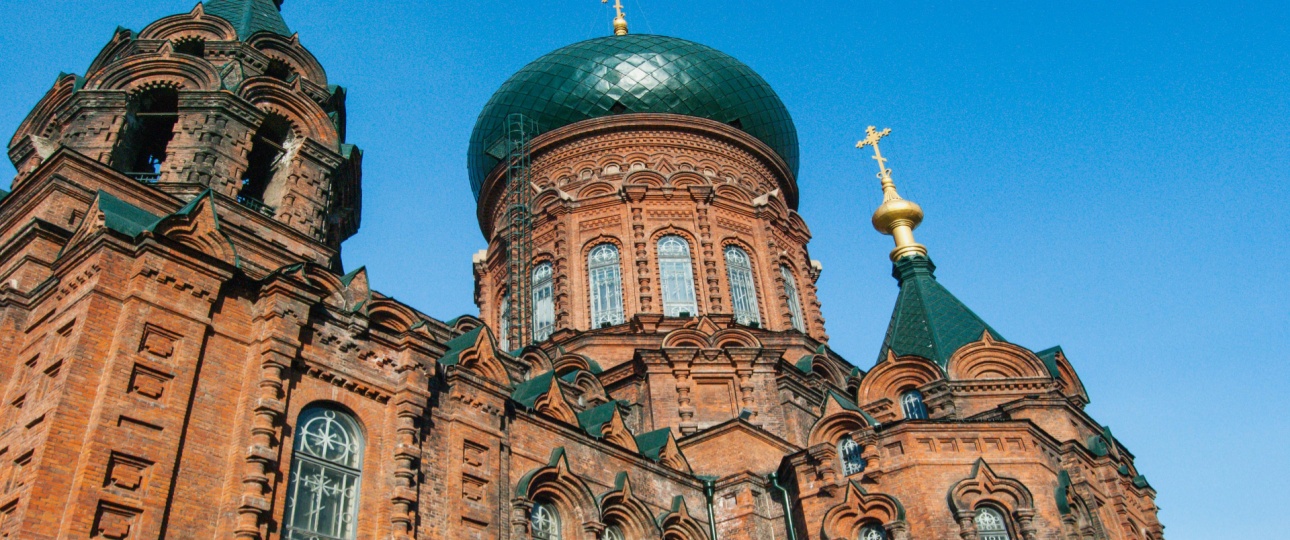
- Stand beneath the Byzantine dome of St. Sophia Cathedral — the largest Eastern Orthodox church in East Asia, its green onion dome rising above Harbin's skyline since 1907
- Walk the cobblestones of Central Street — a 1.4-kilometer pedestrian boulevard of Art Nouveau, Baroque, and Renaissance Revival facades, the longest such ensemble in China
- Explore Chinese Baroque in Laodaowai — a uniquely Harbin architectural hybrid where Italian ornamentation meets Manchurian courtyard layouts, found nowhere else in China
- Trace the arc of a vanished railway age at the Hengdaohezi Locomotive Depot — the world's only intact fan-shaped steam locomotive garage, its fifteen arched bays radiating from a central turntable like a mechanical sundial, with the core exhibition hall included in your itinerary
- Visit the Church of the Intercession (Our Lady of the Entrance Church) — a rare twin-tower Gothic wooden church and one of the most beautiful surviving Russian Orthodox structures in northern China
- Stroll through the Russian Oil Painting Village — a quiet creative quarter where local artists capture the town's historic streetscapes and surrounding landscapes
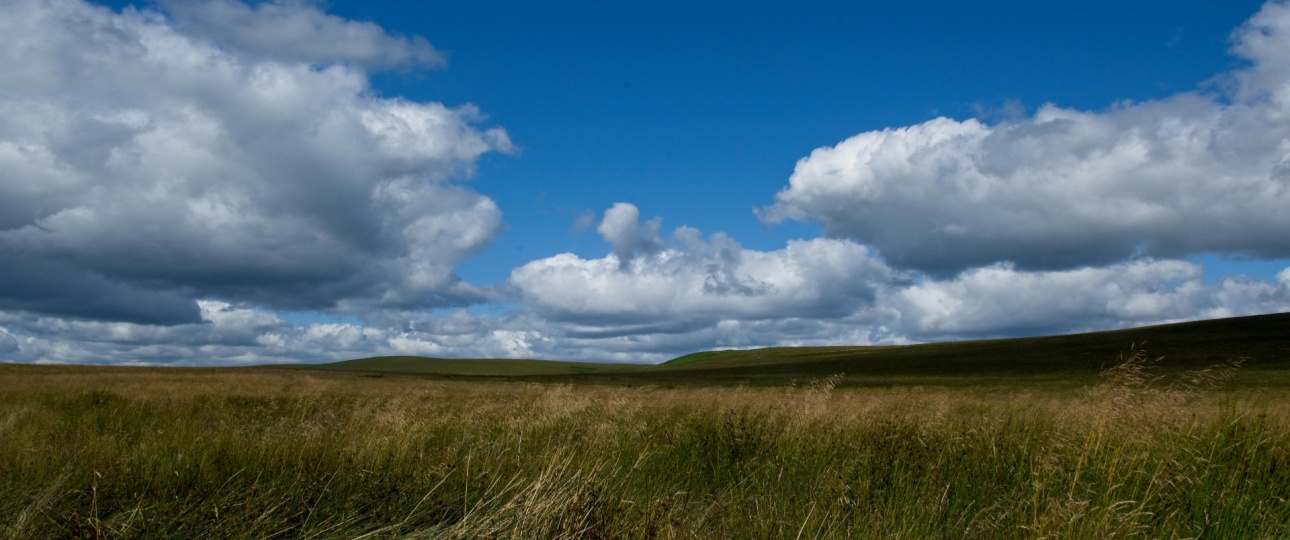
- Stand at the edge of the world's largest grassland — Hulunbuir, ten million hectares of rolling prairie where the Morigele River traces a thousand-kilometer serpentine path
- Sleep in a 100-year-old Russian timber cottage in Hengdaohezi, with carved eaves and wooden fretwork unchanged since the railway builders arrived
- Stay at the Ritz-Carlton Harbin — Northeast China's premier luxury address, with panoramic views of the Songhua River from the 54th floor
- All intercity transfers by high-speed rail and direct flight — Harbin, Hengdaohezi, and Hulunbuir connected through modern rail and air corridors, with private vehicle support for all station and scenic area transfers
Itinerary
Harbin (4 nights) → Hengdaohezi (1 night) → Hulunbuir (3 nights) → Harbin (2 nights)
Days 1–2 · Harbin — The Russian Orient
Touch down at Harbin Taiping International Airport, where a private driver awaits. A restful first day eases jet lag with a gentle evening stroll along the Songhua River. Day 2 dives into Harbin's architectural soul: St. Sophia Cathedral, Central Street, and sunset at Stalin Park.
Day 3 · Harbin — Chinese Baroque & City Depth
Explore the Laodaowai district, home to the singular "Chinese Baroque" style found nowhere else in the world. Visit the Harbin City Museum to contextualize the city's unique history.
Day 4 · Harbin — Island Retreat & Leisure
A full morning on Sun Island, a sprawling river-island park of gardens and wetlands. Afternoon free for independent exploration.
Day 5 · Hengdaohezi — The Locomotive Cathedral
High-speed train east to Hengdaohezi. Walk the historic Russian, explore the fan-shaped locomotive depot, the Church of the Intercession, and the Russian Oil Painting Village.
Days 6–8 · Hulunbuir — The Grassland Sea
Morning direct flight from Harbin to Hulunbuir. Three unhurried days on the world's most expansive grassland — the Morigele River, Hulun Lake, and the daily rhythms of the steppe, from sunrise to starlight.
Days 9–10 · Return to Harbin
Return to Harbin for a full free day of independent exploration, shopping, and a farewell dinner.
Day 11 · Departure
Private transfer to Harbin Taiping International Airport.
Your private chauffeur will be waiting at Harbin Taiping International Airport holding a name sign. Transfer to your hotel takes approximately 40–50 minutes. No activities are scheduled today. After a transpacific flight, rest and recovery are paramount. A gentle welcome dinner featuring Harbin's celebrated cuisine — Harbin-style dumplings, guobaorou (crispy sweet-and-sour pork), and the city's famous smoked sausage — is available at the hotel.
Note on Portion Sizes: Northeast Chinese cuisine is known for its generous portions. Your guide will assist with ordering — we recommend approximately 1–1.5 dishes per person per meal to avoid waste and ensure a comfortable dining experience.
Accommodation: The Ritz-Carlton, Harbin (located at 660 Youyi West Road, the tallest building in the city at 270 meters, with panoramic views of the Songhua River from the 54th-floor lobby, rated 4.8/5 on Ctrip)
Meals Included: Welcome Dinner
After a leisurely breakfast, visit St. Sophia Cathedral, the largest Eastern Orthodox church in East Asia, built by Russian expatriates in 1907. Its green onion dome rises above the surrounding plaza — a piece of Byzantium transplanted to the banks of the Songhua River. The interior now houses a photographic exhibition on Harbin's architectural history. The cathedral square is free to enter; admission to the interior exhibition is approximately ¥20.
From St. Sophia, walk to Central Street, a 1.4-kilometer pedestrian boulevard paved with cobblestones laid in 1924. The street is lined with Baroque, Art Nouveau, and Renaissance Revival facades — the largest surviving ensemble of European architecture in China. Stop for a Harbin-style ice cream at the century-old Modern Hotel.
In the late afternoon, walk to the northern end of Central Street to reach Stalin Park and the Flood Control Monument on the banks of the Songhua River. In summer, the riverfront promenade fills with locals strolling, playing music, and watching the sunset.
Accommodation: The Ritz-Carlton, Harbin
Meals Included: Breakfast
Morning visit to the Laodaowai Chinese Baroque Historic District, a few blocks of century-old buildings that fuse Western Baroque ornamentation — elaborate pediments, pilasters, and sculptural flourishes — with traditional Chinese courtyard layouts. A handful of old bakeries and smoked-meat shops still operate from their original storefronts.
In the afternoon, visit the Harbin City Museum (free entry, open Tuesday–Sunday 09:00–16:00, closed Mondays). The museum occupies the former municipal Party committee building and houses 23 themed exhibition halls spanning Harbin's transformation from a Songhua River fishing village into a cosmopolitan railway hub. Individual visitors may enter with valid ID; for groups of 20 or more, advance telephone reservation at least three days prior is required. For small private groups of 4–5 guests, we will arrange a private museum guide to ensure the depth of interpretation befitting this journey, which requires advance booking — we will handle this on your behalf.
Accommodation: The Ritz-Carlton, Harbin
Meals Included: Breakfast
A full morning on Sun Island, a sprawling river-island park on the north bank of the Songhua River. The island is a designated 5A scenic area of gardens, wetlands, and walking paths. In summer, it is a cool green refuge from the city; in winter, it hosts the Harbin International Snow Sculpture Art Expo. The main scenic area is free but requires advance reservation via the official Sun Island WeChat public account — we will handle this for you. The island is reached by cable car or ferry from the south bank.
In the afternoon, your guide can suggest a visit to the Harbin Grand Theatre, an architectural landmark designed by MAD Architects whose fluid, sculptural form has won international acclaim and become one of the most photographed contemporary buildings in Northeast China. Alternatively, explore the city independently, or return to the hotel to rest.
Accommodation: The Ritz-Carlton, Harbin
Meals Included: Breakfast
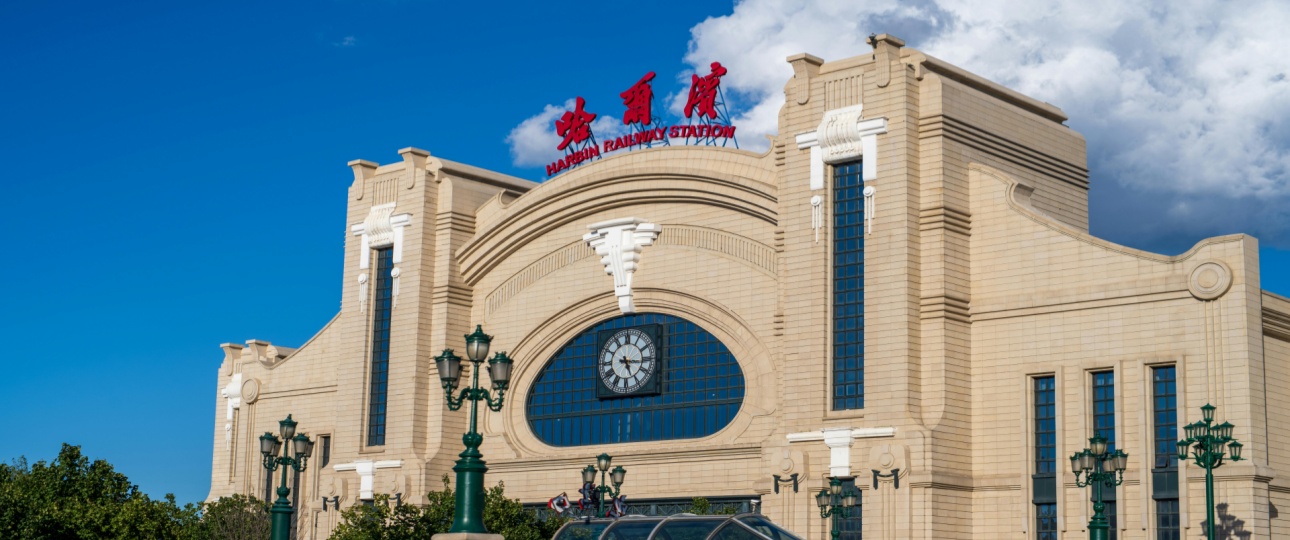
Morning high-speed train from Harbin Station to Hengdaohezi East Station (approximately 1 hour 40 minutes). Upon arrival, a private vehicle transfers you to the town center.
Hengdaohezi is a well-preserved railway town built by Russian engineers in the late 19th century. Its undisputed centerpiece is the Middle East Railway Museum and Locomotive Depot — locally known as the "Locomotive Cathedral". This fan-shaped garage, the only fully intact steam locomotive depot in the world, features fifteen arched bays radiating from a central 360-degree turntable, a functional cathedral of the industrial age. The open-air museum is free to enter with valid ID (08:30–16:30 daily). Admission to the core exhibition hall (housing 4 vintage steam locomotives, including the iconic Qianjin Type 6924) is ¥25 per person, included in your itinerary. We recommend visiting first thing in the morning for the best light and fewest crowds.
Next, stroll down Russian Old Street, a cobblestone lane lined with century-old timber cottages with carved eaves and painted shutters. Many former railway workers' homes have been converted into cozy bakeries and cafes. Be sure to stop at Masha's Bakery (open 08:00–14:00 daily, closed Mondays) for freshly baked Russian-style rye bread and pirozhki.
After lunch, visit the Church of the Intercession (Our Lady of the Entrance Church) — China's only surviving all-wooden Orthodox church, built in 1902 without a single nail. Its distinctive blue onion dome stands out vividly against the winter snow. The church is free to enter (09:00–16:30, closed Mondays) and houses a small branch of the Middle East Railway Museum.
Finally, explore the Russian Oil Painting Village, a vibrant open-air mural street where entire house facades and courtyard walls are painted with scenes of forest landscapes, railway history, and traditional Russian life. It is free to visit 24/7 and offers endless photo opportunities.
Accommodation: Karl Homestay, Hengdaohezi — a beautifully renovated century-old Russian timber cottage with modern underfloor heating and en-suite bathrooms. Rated 4.5/5 on Ctrip with over 300 verified reviews, it is located a 4-minute walk from the historic old railway station.
Meals Included: Breakfast.
A relaxed morning in Hengdaohezi. Depending on the season, you may visit the small local market or simply enjoy a quiet coffee at the homestay before departure.
Late morning, return to Hengdaohezi East Station for the high-speed train back to Harbin (approximately 1 hour 40 minutes), then a private vehicle transfers you to Harbin Taiping International Airport for your direct flight to Hulunbuir (Hailar) , approximately 1 hour 20 minutes. Upon arrival, transfer to your hotel. The evening is free to rest and acclimate.
Why return to Harbin for the flight? Direct flights from the Mudanjiang area to Hailar are extremely limited, and the Harbin–Hailar route offers the most reliable daily connections, ensuring a smooth and predictable journey. This routing also allows a comfortable morning in Hengdaohezi rather than a rushed departure.
Accommodation: Hulunbuir Hotel (a four-star property on the banks of the Yimin River, rated 9.5/10 on trip.com)
Meals Included: Breakfast
Your private vehicle takes you directly to the Morigele River Scenic Area — the heart of the Hulunbuir Grassland, where the "Number One Serpentine River in the World" traces its improbable path through ten million hectares of prairie.
The river, known as the Morigele (or Morgeleg), meanders for over 1,500 kilometers within a basin only 200 kilometers wide, creating a landscape of oxbow lakes, reed beds, and grazing pastures that has sustained nomadic herders for millennia. The scenic area is free to enter; during peak season (June 1–October 7), a sightseeing shuttle (¥40/person) provides access to the core viewing platforms. The best views are from Platform No. 3, where the river's full serpentine sweep unfolds below.
Spend the day exploring the grassland, with a traditional Mongolian lunch of hand-grasped lamb and milk tea at a herdsman's yurt.
Note on Mongolian Cuisine: Traditional meals on the grassland are centered around lamb, beef, and dairy. If you have a sensitive stomach or are unaccustomed to heavy meat-based meals, we recommend bringing digestive aids. Your guide can also arrange milder alternatives with advance notice.
Accommodation: Hulunbuir Hotel
Meals Included: Breakfast, Lunch
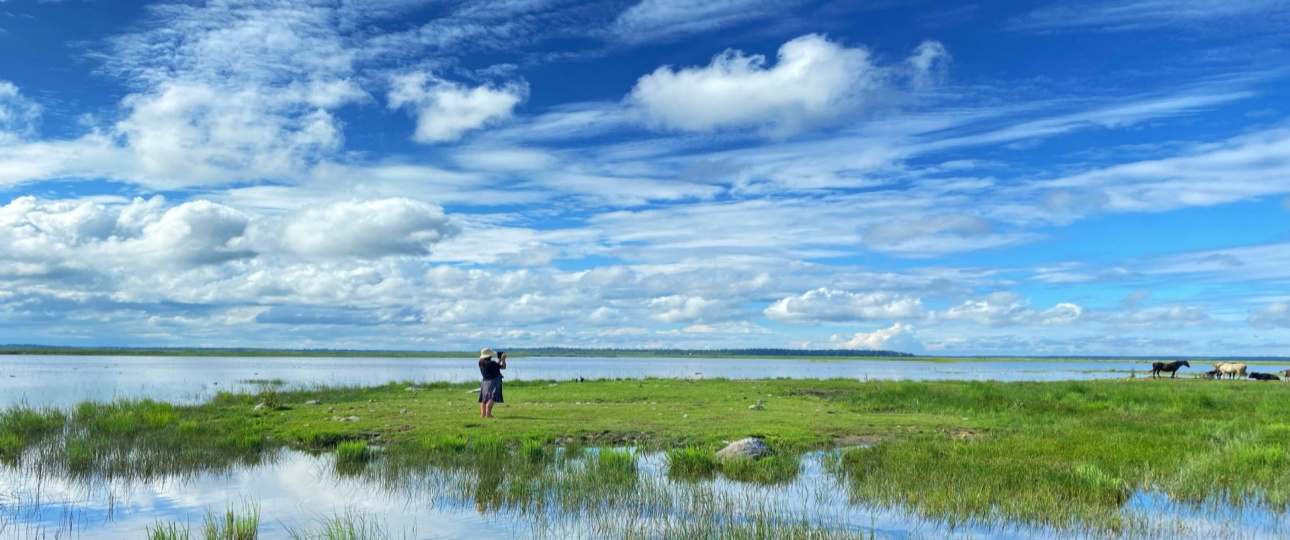
Morning visit to Hulun Lake, one of China's largest freshwater lakes and the namesake of the entire region. The lake spans over 2,300 square kilometers and is a critical stopover on the East Asian-Australasian Flyway for migratory birds. In summer, the vast expanse of blue water contrasts sharply with the surrounding green grassland.
In the afternoon, experience the Hulunbuir Grassland Equestrian Culture with a visit to a working horse ranch. The Mongolian horse — small, sturdy, and famously enduring — was the engine of the Mongol Empire, and horsemanship remains central to the identity of the grassland peoples. You may watch a riding demonstration, visit the stables, and, if you wish, take a gentle horseback walk through the grasslands.
Option — Sunset Horseback Ride at Heishantou: For those seeking a more dramatic experience, we can arrange an afternoon transfer to Heishantou, widely considered the best location in Hulunbuir for sunset horseback riding. The late-afternoon ride follows the Genhe River wetlands as the sun descends behind the grassland horizon. This optional excursion requires advance booking and is subject to weather conditions; please inquire at time of booking.
Grassland Comfort & Safety: Mosquitoes are active on the grassland in summer, particularly near water and in the evening. We recommend long-sleeved light clothing and insect repellent (DEET-based products work best). Your guide will carry repellent, and your hotel provides mosquito nets during summer months. The grassland sun is strong even on overcast days — sunscreen, sunglasses, and a wide-brimmed hat are essential. Early summer mornings can also bring chilly temperatures, so please also pack a light jacket or fleece.
Return to Hailar in the evening.
Accommodation: Hulunbuir Hotel
Meals Included: Breakfast
Morning visit to the Erguna Wetland (also known as the Genhe Wetland), often called "Asia's No. 1 Wetland." This 4A-rated scenic area spans approximately 126,000 hectares of riverine marshland, birch forest, and peat bog — an ecosystem of extraordinary biodiversity. A boardwalk leads from the visitor center to the main observation platform, where the Genhe River traces a horseshoe-shaped meander through the valley below. Admission is approximately ¥60 per person, with an optional sightseeing shuttle (¥20/person for the round trip).
After the wetland visit, a relaxed lunch in Erguna city, then transfer to Hailar Airport for your direct flight back to Harbin (approximately 1 hour 20 minutes). Upon arrival, private transfer to your hotel and a gentle evening free of scheduled activities.
Accommodation: The Ritz-Carlton, Harbin
Meals Included: Breakfast
A full free day for independent exploration and shopping. Your guide will recommend:
- Central Street for Russian-style souvenirs, Harbin smoked sausage, and local crafts
- Guogeli Street for bookstores, cafes, and a quieter alternative to Central Street
- The Harbin Grand Theatre — if you have not visited on Day 4, the viewing platform offers a panoramic perspective of the Songhua River wetlands and the theatre's fluid architectural form
- The Volga Manor, a reconstructed Russian estate on the outskirts of the city, for those who wish to extend the architectural journey
In the evening, gather for a farewell dinner at a carefully selected local restaurant, featuring the hearty, cross-cultural flavors of Harbin cuisine.
Accommodation: The Ritz-Carlton, Harbin
Meals Included: Breakfast, Farewell Dinner
A relaxed final morning. Enjoy a leisurely breakfast at the hotel. Depending on your flight schedule, you may have time for a last walk along the Songhua River or simply a quiet coffee.
At the appointed time, a private vehicle transfers you to Harbin Taiping International Airport for your departure flight. Harbin Airport operates international routes to Tokyo, Osaka, Seoul, Singapore, and Hong Kong, as well as seven Russian cities including Vladivostok and Irkutsk, with convenient onward connections to North America and Europe.
Meals Included: Breakfast
Includes/Excludes
Cost Includes
- 10 nights' accommodation at international five-star hotels and a heritage homestay (The Ritz-Carlton, Harbin: 6 nights; Karl Homestay, Hengdaohezi: 1 night; Hulunbuir Hotel: 3 nights)
- Daily breakfast
- Welcome dinner and farewell dinner
- Private Chinese guide with native-level English proficiency throughout the journey, holding a valid China National Guide Certificate
- All luggage handling services
- All intercity transfers in a private air-conditioned vehicle, including airport arrival and departure transfers
- High-speed rail: Harbin → Hengdaohezi (Day 5), Hengdaohezi → Harbin (Day 6), first class
- Flight: Harbin → Hailar (Day 6) and Hailar → Harbin (Day 9), economy class
- All entrance fees to listed scenic areas (St. Sophia Cathedral, Sun Island, Hengdaohezi Locomotive Depot core exhibition hall, Morigele River Scenic Area, Hulun Lake, Erguna Wetland)
- Morigele River Scenic Area sightseeing shuttle bus
- Mongolian yurt lunch on Day 7
- All advance reservations for listed scenic areas, including Sun Island official WeChat account reservation and Harbin City Museum guide booking, handled by your guide
- 24/7 local operations support
Cost Excludes
- International airfare to and from China
- Chinese visa fees (L tourist visa required; invitation letter and full documentation package provided)
- Lunches and most dinners (except where specified)
- Personal expenses (laundry, mini-bar, telephone charges, alcoholic beverages beyond those served at included meals)
- Tips for guides and drivers (discretionary; customary guidelines provided in your pre-departure packet)
- Optional activities: Heishantou sunset horseback ride (Day 8), Volga Manor (Day 10)
Frequently Asked Questions
FAQs
The Shanxi route explored ancient timber architecture; Jiangnan explored classical gardens and silk workshops. This Northeast route traces a completely different narrative: Russian colonial architecture (St. Sophia, Central Street, Chinese Baroque), industrial heritage (the Hengdaohezi locomotive depot), and the nomadic grassland culture of Hulunbuir. The architectural language shifts from Buddhist temples to Orthodox domes and Art Nouveau facades; the natural landscape shifts from misty peaks and water towns to the vast openness of the steppe.
Minimal. Harbin involves walking on city streets and boulevards. Hengdaohezi is a small town with paved roads. Hulunbuir involves walking on grassland terrain, which is mostly flat. The Erguna Wetland visit on Day 9 uses a well-maintained boardwalk with observation platforms. There is no hiking, climbing, or strenuous activity. Comfortable walking shoes are recommended.
No. Hulunbuir Grassland sits at 650–700 meters above sea level — a comfortable elevation where altitude sickness is physiologically impossible. This is not the Tibetan Plateau.
Late June through mid-July is the golden window for the grassland, when the prairie is at its lushest green and wildflowers blanket the meadows. June through August overall sees average temperatures of 18–22°C, making Hulunbuir an ideal summer escape. Summer in Harbin is warm but comfortable, with daytime highs around 26–28°C. December through February transforms Harbin into a winter wonderland — the Ice and Snow Festival, frozen Songhua River, and temperatures that drop to -20°C offer a completely different but equally spectacular experience.
Harbin Taiping International Airport operates international routes to Tokyo, Osaka, Seoul, Singapore, and Hong Kong, as well as seven Russian cities. For North American travelers, the most practical routing is to connect via Seoul, Tokyo, or Beijing.
Yes. All our guides are licensed Chinese professionals holding valid China National Guide Certificates, with native-level English proficiency and deep expertise in Northeast Chinese history, Russian colonial architecture, and the grassland cultures of Hulunbuir.
Yes. We can fully accommodate vegetarian, vegan, halal, gluten-free, and other dietary requirements. Please inform us of any restrictions at least 10 days before departure. Note that traditional Mongolian meals on the grassland are lamb- and dairy-heavy — we will arrange suitable alternatives with advance notice.
The Ritz-Carlton and Hulunbuir Hotel have Western-style toilets. In Hengdaohezi and some grassland areas, squat toilets may still be encountered. Bring your own toilet paper and hand sanitizer.
In summer, pack light long-sleeved shirts and trousers for sun and mosquito protection, a warm jacket or fleece for cool early mornings (temperatures can dip to 10–15°C at dawn), comfortable walking shoes, a wide-brimmed hat, sunglasses, sunscreen, and strong insect repellent (DEET 20%+ recommended). Rain gear is also advisable in July and August.
For operational purposes, yes. While a party of 4–5 guests may not meet the official threshold for "group" status at all venues, we proactively arrange private museum guides and advance reservations as though you were a larger group. This ensures priority access, dedicated interpretation, and a seamless experience — particularly at venues like the Harbin City Museum and Sun Island, where advance booking enhances the quality of your visit. All such arrangements are included in your itinerary.
Yes. Northeast cuisine (Dongbei cai) is hearty and savory, shaped by the region's cold winters and Russian culinary influence. Signature dishes include guobaorou (crispy sweet-and-sour pork), di san xian (stir-fried potato, eggplant, and green pepper), and Harbin smoked sausage. Portion sizes are notably generous — your guide will assist with ordering to ensure a comfortable meal. Mongolian meals on the grassland center around lamb, beef, and dairy products. If you have a sensitive stomach, we recommend bringing digestive remedies as a precaution.
Due to Hulunbuir's high latitude, summer days are very long. In late June, sunrise occurs as early as 03:50 AM and sunset around 08:00 PM, providing extended daylight for exploration. If you wish to witness a grassland sunrise, your guide can arrange an early morning excursion — but this is entirely optional and not included in the standard itinerary.