10 Days in Southern Guangxi,through Nanning, Beihai, Dongxing,Weizhou Volcanic Island and into the Sino-Vietnamese Border
Overview
From Volcanic Islands to Border Ports: A Southern Maritime Journey Along the Gulf of Tonkin.
Most journeys into China head inland — to the mountains of Yunnan, the temples of Shanxi, the canals of Jiangnan. This one heads south, to the sea.
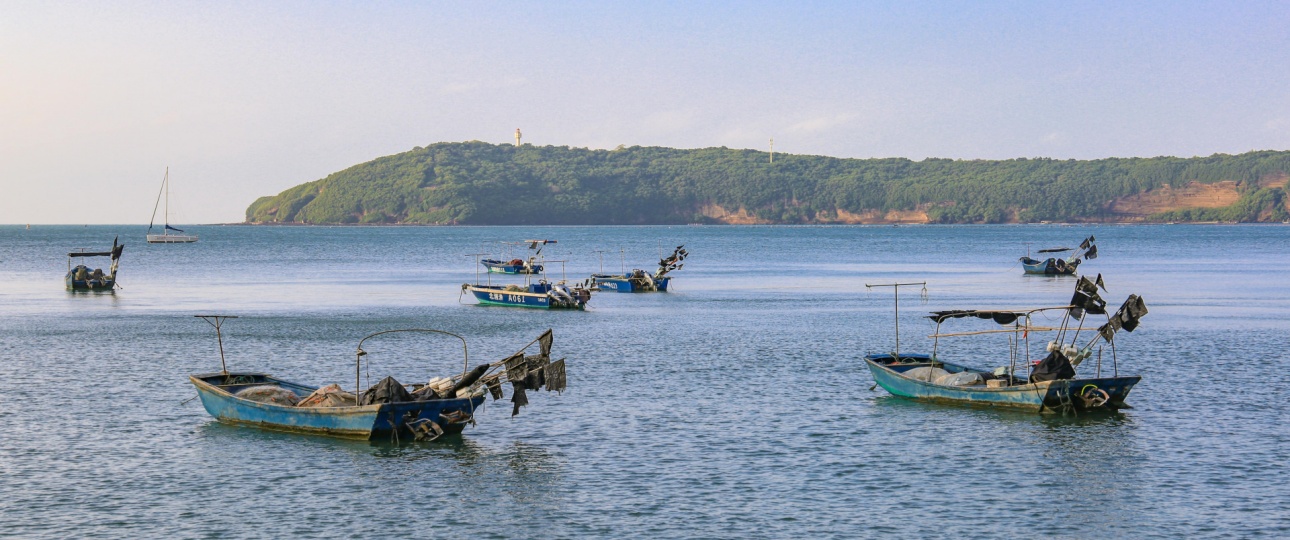
The Gulf of Tonkin coastline is China’s tropical edge: a place where volcanic islands rise from turquoise water, where the oldest port of the Maritime Silk Road still stands, and where you can stand on Chinese soil and look across a narrow river into Vietnam. This is not the China of imperial palaces or misty peaks — it is the China of fishing boats, mangrove coasts, and the scent of salt on a warm breeze.
This 10-day journey traces an arc along the northern Gulf of Tonkin. It begins in Nanning, the Green City, where you will explore the world’s largest bronze drum collection at the Guangxi Ethnic Museum and stroll through the vibrant Zhongshan Road night market. Then, a high-speed train takes you to Beihai, where you will ferry out to Weizhou Island — China’s youngest volcanic island — to explore lava-carved coastlines, ride jet skis and sailboats at Nanwan Marine Sports Park, and visit a century-old French cathedral built from coral stone. Back on the mainland, you will walk the legendary Silver Beach, explore the Hepu Han Dynasty Culture Museum, and witness the spectacular nightly performance at Haesi Shougang. In Dongxing, you will stand at the China-Vietnam border, explore the bustling border markets, walk along the 13-kilometer golden sands of Wanwei Beach, and experience the unique culture of the Jing people — China’s only maritime ethnic minority. The journey culminates with a full-day excursion to Detian Transnational Waterfall, Asia’s largest cross-border cascade, before returning to Nanning for a farewell dinner and departure.
The infrastructure is simple and reliable: high-speed trains connect all mainland cities, private vehicles handle last-mile transfers at each city, and the hotels are international brands or the best-rated local properties available. The pace is unhurried. The sea is always close.
There are no rushed bus transfers, no compulsory shopping stops. Just a southern arc along the Gulf of Tonkin — volcanic rock, silver sand, and the quiet rhythm of the South China Sea.
Trip Highlights
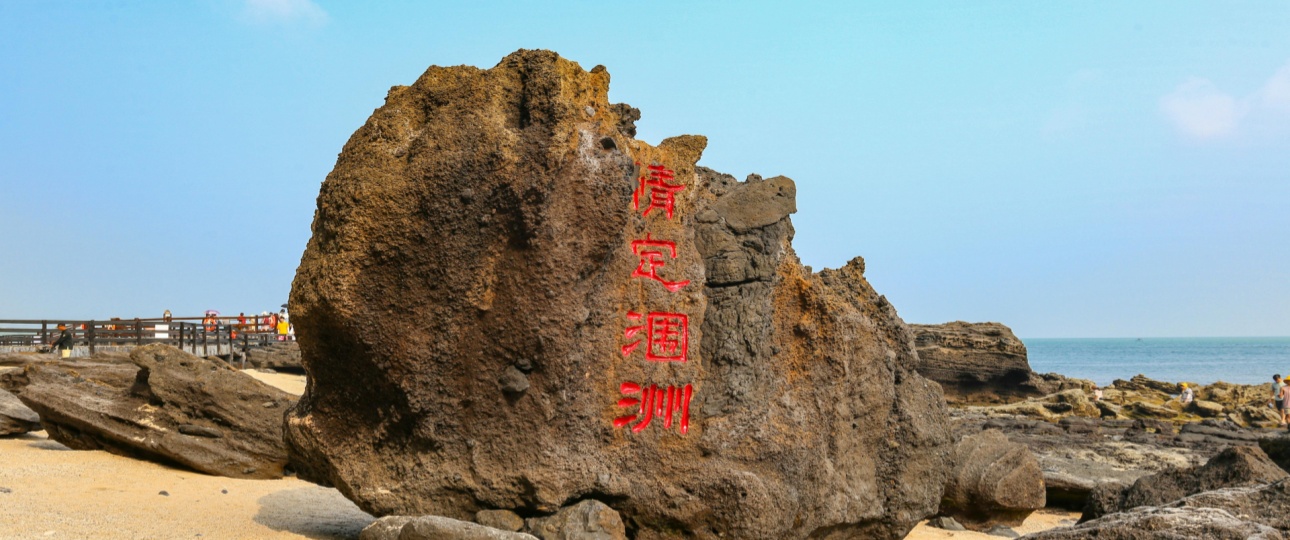
- Ferry out to China's youngest volcanic island — Weizhou Island, formed by eruptions just 30,000 years ago, where the Crocodile Mountain crater drops into turquoise water and a French Gothic cathedral stands amid banana groves
- Ride jet skis and sailboats at Nanwan Marine Sports Park — the island's only official water sports base, offering jet ski rides past volcanic cliffs, sunset sailing, and yacht excursions
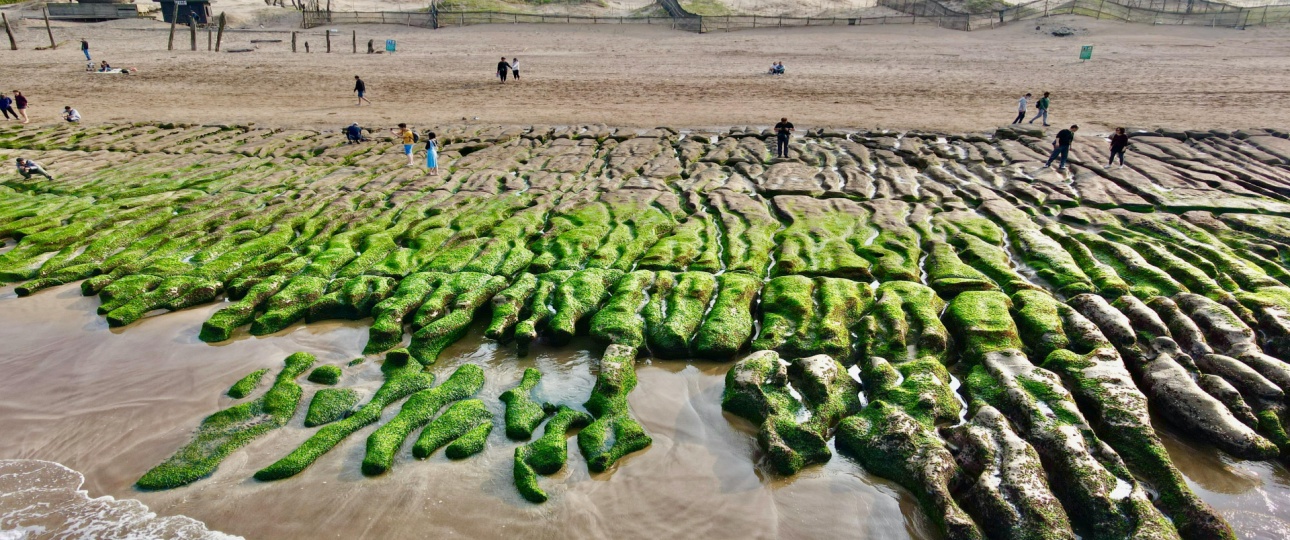
- Walk the legendary Silver Beach — 24 kilometers of fine white quartz sand stretching along the Beibu Gulf, one of China's finest beaches, free to enter year-round
- Explore the departure port of the Maritime Silk Road at the Hepu Han Dynasty Culture Museum — over 5,200 artifacts, including 21 first-class national treasures, tracing the trade routes that connected Han China to Southeast Asia and the Roman world
- Savor Vietnam-in-China at Qiaogang Fengqing Street — a vibrant night market founded by returning overseas Chinese in 1978, named one of Guangxi's Top 10 'International Flair' Districts in 2025
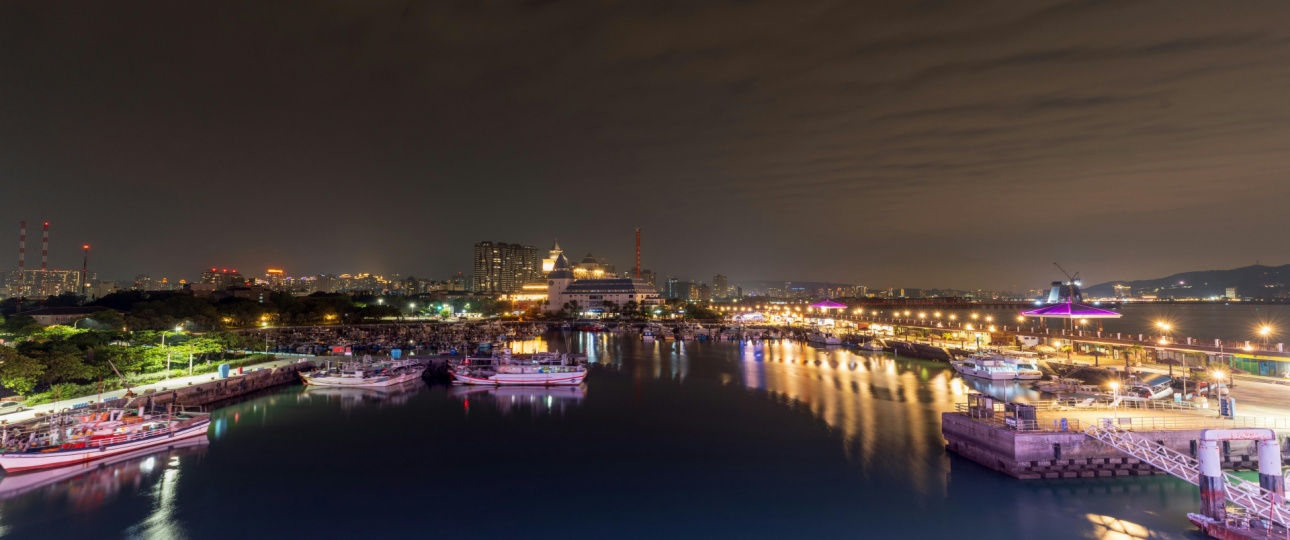
- Witness a spectacular night show at Haesi Shougang Scenic Area — fire performances, drone light displays, and live historical reenactments at the ancient Maritime Silk Road port
- Stand at the China-Vietnam border in Dongxing — the Beilun River Bridge connects two nations, and the border markets hum with the trade of coffee, spices, and tropical fruit
- Experience Jing ethnic culture — visit the Jing Ethnic Museum on Wanwei Golden Beach, the only museum dedicated to China's maritime ethnic minority, and watch traditional stilt fishing and rake-net harvesting along the shore
- Visit a coral-stone church — the Weizhou Island Catholic Church, built by French missionaries in 1853 from volcanic rock and coral, its weathered neo-Gothic facade rising against a tropical sky
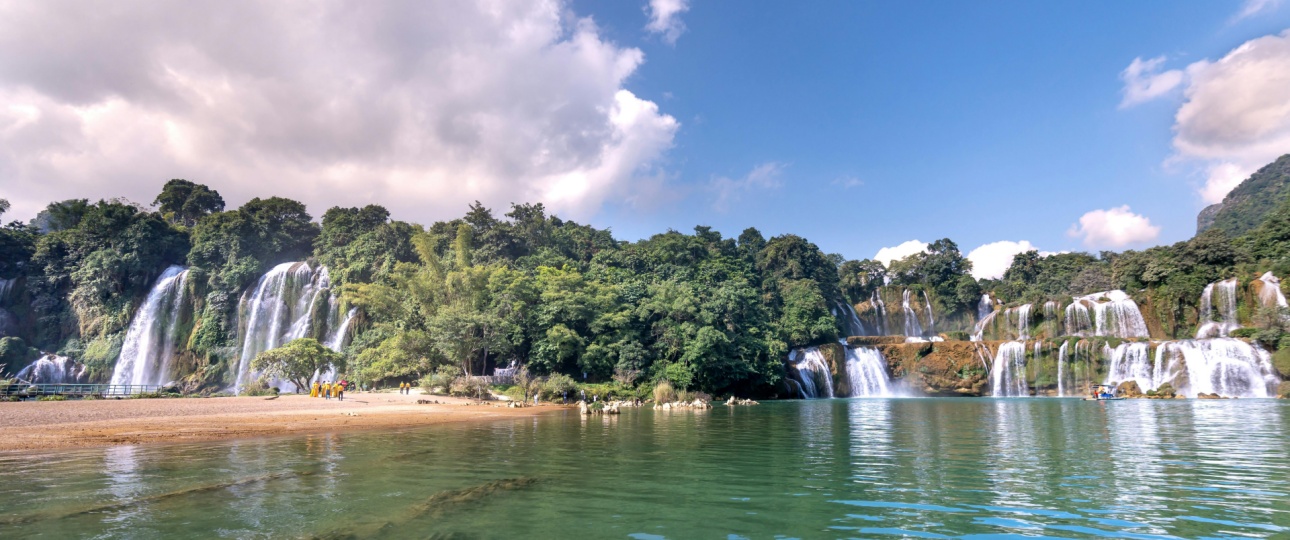
- Stand before Asia's largest transnational waterfall — Detian Waterfall, straddling the China-Vietnam border, with a width of over 200 meters and a three-tiered cascade plunging through karst landscapes