10 Days visit to ancient villages along the Han River Valley
Overview
From Daoist Temples to Ancient Towns: A Slow Pilgrimage Through China’s Central Mountain Range.
There is a mountain range that divides north from south, wheat from rice, the dry Yellow River basin from the humid Yangtze. The Qinling Mountains are not the highest peaks in China, nor the most photographed — but they are the spine of the country, the ecological and cultural boundary that has shaped Chinese civilization for millennia. On their southern slopes, the Han River rises, giving its name to the Han Dynasty, the Han people, and the very identity of China itself.
This 10-day journey follows a gentle arc along the southern foot of the Qinling Mountains and through the Han River Valley. It begins in Hanzhong, an ancient city that once anchored the northern frontier of the Shu Kingdom and later served as a strategic command post for Zhuge Liang, the great strategist of the Three Kingdoms era. From here, you will venture into the mountains themselves — to the Daoist temple complex at Zhang Liang Shrine, to the alpine pastures of Lion Valley, and to the forested gorges of Zhongba Grand Canyon. Then, descending along the Han River, you will trace the waterway through the old river towns of Shiquan and Xunyang, where cobblestone streets, guild halls, and temple ruins recall the centuries when the Han River was the great highway of inland China.
This is not a journey of imperial grandeur. It is a journey of quiet mountains, of ancient towns drowsing by the water, of Daoist temples half-hidden in cypress groves, and of a way of life along the Han River that has continued largely unchanged for centuries.
There are no rushed bus transfers, no compulsory shopping stops. Just a slow, contemplative arc along China’s central mountain range — where every temple, every gorge, every bend in the river holds a story of the mountain and the water that gave China its name.
Trip Highlights
- Stand at the birthplace of the Han identity — the Han River, whose name was adopted by the Han Dynasty, the Han people, and the very language we call Chinese
- Visit China's oldest and largest Zhang Liang Shrine — a sprawling Daoist temple complex in the Qinling foothills, built to honor the legendary strategist who helped found the Han Dynasty (free admission for visitors aged 70+)
- Walk through the forested gorge of Zhongba Grand Canyon — a gentle, accessible canyon with waterfalls and boardwalks, requiring no climbing or strenuous effort (approximately 2–3 hours)
- Explore the perfectly preserved guild halls of Shuhe Ancient Town — a quiet Han River port where Qing-dynasty merchant associations built ornate halls that still stand, including the Huangzhou Guild Hall and Yangsi Temple (approximately 2 hours)
- Witness the natural S-curve of the Xun River at Xunyang's "Natural Taiji City" — a riverside viewpoint where the river traces a perfect yin-yang shape through the valley, all without climbing a single step
- Stroll through the old streets of Shiquan — a Han River town of Ming-Qing cobblestone lanes and waterfront charm, best experienced at dusk when the lanterns come on
- All intercity transfers by private vehicle along the scenic Qinling highways, with carefully controlled daily driving times and rest stops at mountain viewpoints
Itinerary
Hanzhong (3 nights) → Liuba (2 nights) → Shiquan (2 nights) → Xunyang (2 nights) → Departure
Days 1–3 · Hanzhong — The Han River's Ancient Capital
Touch down at Hanzhong Chenggu Airport, where a private driver awaits. A restful first day eases jet lag with a gentle evening stroll along the Han River wetlands park. Day 2 explores the city's Han Dynasty heritage: the Ancient Han Terrace Museum, the Altar of the General, Yinma Pond, and the Eastern Pass old quarter. Day 3 travels to Mian County for Zhuge Liang's Wuhou Shrine — the only shrine to the strategist built by imperial decree — and the adjacent Zhuge Ancient Town, returning to Hanzhong for the evening.
Days 4–5 · Liuba — Daoist Temples & Alpine Pastures
A short drive into the Qinling foothills to Liuba County. On Day 4, visit the Zhang Liang Shrine — the largest temple complex dedicated to the Han Dynasty strategist (approximately 1.5 hours) — and stroll through the old flagstone streets of Liuba Old Town. Day 5 brings you to Lion Valley Pasture, a high-mountain meadow where cattle graze against a backdrop of forested peaks.
Days 6–7 · Shiquan — The Han River Gorge
Continue along the Qinling Highway to Shiquan. On Day 6, walk the gentle boardwalks of Zhongba Grand Canyon (approximately 2–3 hours). Day 7 is a gentle day: a Han River cruise (approximately 1 hour, enclosed air-conditioned boat with onboard restroom), followed by a visit to Houliu Water Town and a free evening in Shiquan Old Town.
Days 8–9 · Xunyang — The Ancient River Port
Drive to Xunyang. On Day 8, explore Shuhe Ancient Town (approximately 2 hours), a perfectly preserved Han River port of Qing-dynasty guild halls and cobblestone lanes, including the Huangzhou Guild Hall and Yangsi Temple. Day 9 ascends to the Xunyang Natural Taiji City Viewpoint — a gentle drive-up platform where the Xun River traces a natural yin-yang curve — followed by Lingya Temple and the Confucian Temple.
Day 10 · Departure
High-speed train from Xunyang to Xi'an in under 2 hours, connecting to Xi'an Xianyang International Airport or Xi'an North Station for your onward journey.
Your private chauffeur will be waiting at Hanzhong Chenggu Airport holding a name sign. Transfer to your hotel takes approximately 25–30 minutes. No strenuous activities are scheduled today. After your journey, rest and recovery are paramount.
In the early evening, take a gentle stroll along the Han River Wetlands Park, a sprawling waterfront green space that runs along the southern bank of the Han River. Locals gather here at dusk to walk, fly kites, and watch the sunset over the water. The park is flat, paved, and free to enter.
Accommodation: Tianhan Jingyi Hotel, Hanzhong — a riverside hotel adjacent to the Tianhan Cultural Park, approximately 10 minutes by car from Hanzhong Railway Station.
Meals Included: Welcome Dinner
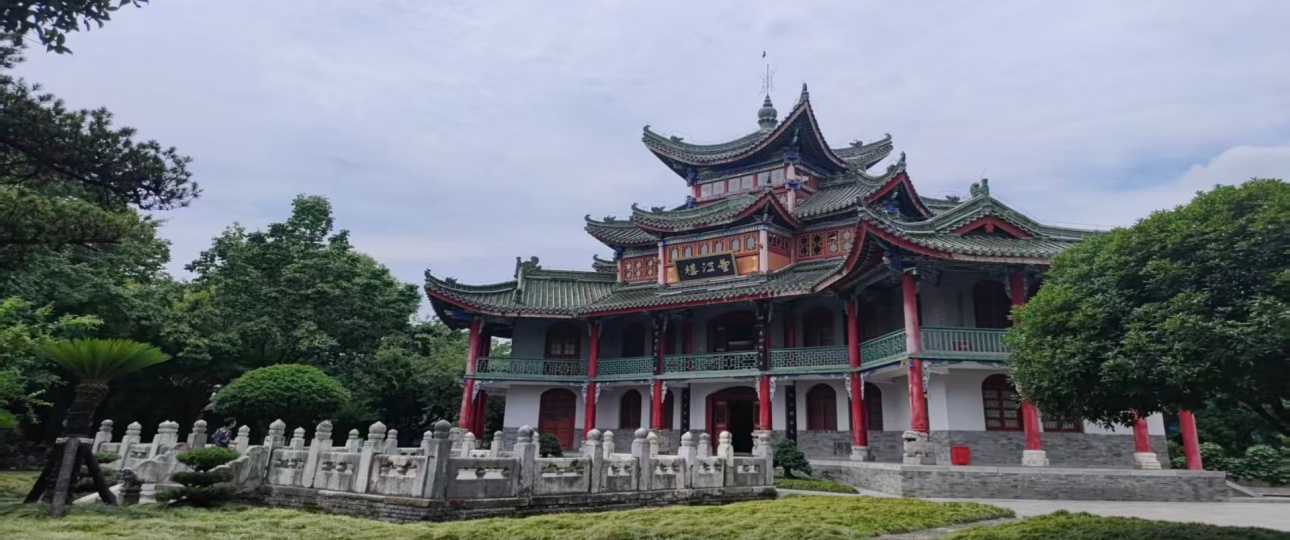
A leisurely day exploring Hanzhong's city center, where the Han Dynasty left its earliest marks. Morning visit to the Ancient Han Terrace Museum (Guhantai), a free museum housed in the former residence of Liu Bang, the founding emperor of the Han Dynasty. The complex includes the Wangjiang Tower with panoramic views of the Han River and a collection of stone inscriptions.
After the museum, walk to the Altar of the General (Baijiangtan), where Liu Bang formally appointed Han Xin as his supreme commander — a ceremony that marked the beginning of the Han Dynasty's military ascendancy. The site is a quiet courtyard of ancient cypress trees and stone tablets.
In the afternoon, explore Yinma Pond and the Eastern Pass Old Quarter (Dongguan Zhengjie), a narrow street of old shop-houses, small restaurants, and traditional workshops that predate modern Hanzhong. The entire day's walking is on flat city streets.
Accommodation: Tianhan Jingyi Hotel, Hanzhong
Meals Included: Breakfast
A half-day excursion to Mian County, approximately 40 minutes by car from Hanzhong. Visit the Wuhou Shrine (admission ¥60, open 08:00–17:30, approximately 1.5 hours), the oldest shrine dedicated to Zhuge Liang in China. Built in 263 CE at the foot of Dingjun Mountain, it is the only Wuhou Shrine constructed by imperial decree — ordered by Liu Shan, the last ruler of the Shu Han Kingdom — making it the "Number One Wuhou Shrine Under Heaven." The shrine is a sprawling complex of cypress-lined courtyards, carved stone stelae, and memorial halls, with free admission for visitors aged 70 and above.
After the shrine, walk to the adjacent Zhuge Ancient Town, a free-entry Three Kingdoms-themed pedestrian quarter with restaurants and teahouses. No compulsory consumption — you are free to explore at your discretion. Return to Hanzhong in the afternoon for rest.
Accommodation: Tianhan Jingyi Hotel, Hanzhong
Meals Included: Breakfast
Morning drive to Liuba County (approximately 40 minutes via the G85 expressway). Check into your guesthouse in Liuba Old Town.
Visit the Zhang Liang Shrine (admission ¥50, open 08:00–18:00, approximately 1.5 hours), the largest temple complex dedicated to Zhang Liang in China. Zhang Liang was the chief strategist who helped Liu Bang found the Han Dynasty, and he later retired to these mountains to practice Daoism. As the largest Daoist architectural complex in southern Shaanxi and a nationally protected cultural heritage site, the shrine sprawls across the Qinling foothills, with cypress trees, stone courtyards, and halls that have stood for centuries. Free admission for visitors aged 70 and above.
After the shrine, explore Liuba Old Town, a compact quarter of flagstone streets, old wooden doorways, and small eateries. Local specialties include walnut flatbreads and mountain vegetable dishes.
Accommodation: Yueting Lanyuan Boutique Guesthouse — a small villa-style guesthouse in Liuba town center, approximately 5 minutes' walk to the old town. Rated 4.9/5 on Ctrip with 42 reviews, offering Chinese-style, Zen-style, and Nordic-style suites.
Meals Included: Breakfast
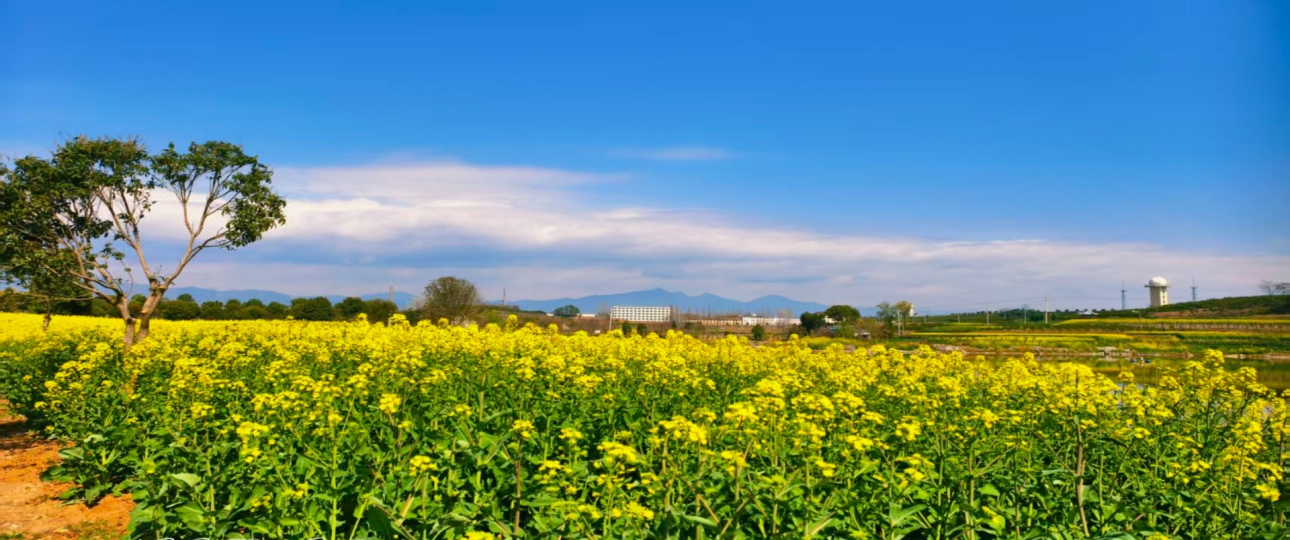
Morning drive to Lion Valley Pasture (free entry, open all day), a high-mountain meadow set against the backdrop of forested Qinling peaks. Cattle and sheep graze freely across the open pasture, and wooden fences and old farm buildings dot the landscape. The pasture is reached by a short walk from the parking area on mostly flat terrain.
This is a relaxed, unstructured day in the mountains. After the pasture, return to Liuba for lunch and a free afternoon. Your guide can suggest short walks around the old town, or you may simply rest at the guesthouse.
Note: Zibaishan National Forest Park has been removed from the itinerary. With the cable car dismantled for replacement in 2026, hiking to the summit requires 4–5 hours on foot — a significant physical challenge unsuitable for mature travelers. Lion Valley Pasture provides a gentler, equally scenic mountain experience without the strain.
Accommodation: Yueting Lanyuan Boutique Guesthouse, Liuba
Meals Included: Breakfast
Morning drive along the Qinling Highway to Shiquan County (approximately 2.5 hours, with a rest stop at a mountain viewpoint). The route follows the G316 and G210 national roads through the Qinba mountain landscape.
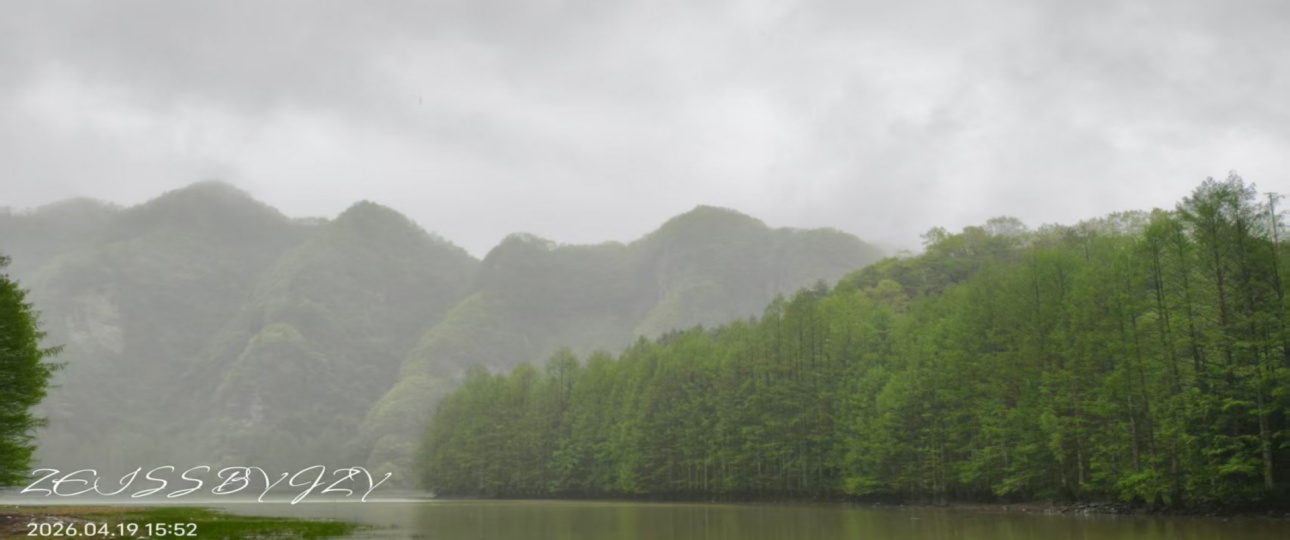
Upon arrival, visit Zhongba Grand Canyon (admission ¥60, open 08:00–17:30, approximately 2–3 hours), a 4A-rated scenic area of forested gorges, waterfalls, and limestone walls. The canyon is accessed via a flat wooden boardwalk that runs the entire length of the gorge — no climbing required, making it suitable for all ages.
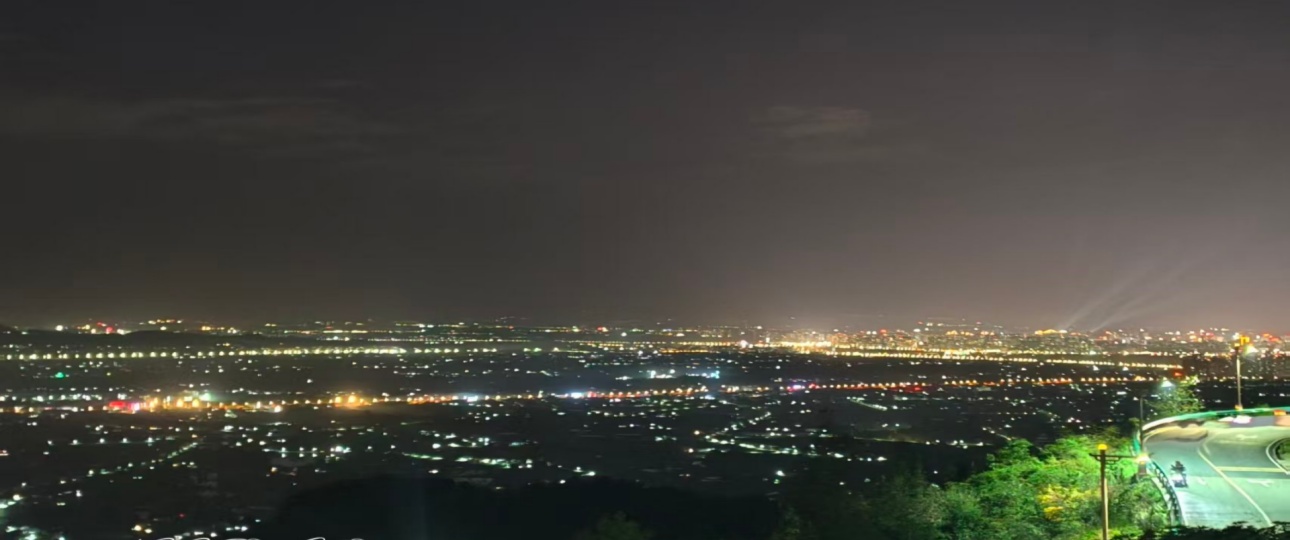
In the evening, explore Shiquan Old Town, a Han River waterfront quarter of Ming and Qing stone streets lined with lanterns, small restaurants, and artisan shops. The old town is best visited after dark, when the lanterns are lit and the river reflects the glow.
Accommodation: Yixuan Hotel (Ankang Shiquan Ancient Town Branch) — a new hotel opened in 2025, located near the old town, rated 4.8/5 on Ctrip with 119 verified reviews.
Meals Included: Breakfast
A gentle morning on the water. Board a Han River cruise boat at the Shiquan waterfront for a leisurely ride along the river. The vessel is an enclosed, air-conditioned boat with an onboard restroom. The cruise lasts approximately 1 hour, drifting along the broad, calm Han River flanked by green hills and the old town's waterfront buildings.
After the boat ride, visit Houliu Water Town, a small Han River settlement of traditional stilted houses and narrow lanes. The town is quieter and less commercialized than Shiquan Old Town, offering a glimpse of river life as it has been lived for centuries.
The afternoon and evening are free. You may revisit Shiquan Old Town, rest at the hotel, or explore the local night market for Han River fish and Shaanxi snacks.
Note on Cuisine: Southern Shaanxi cuisine tends toward spicy flavors. Your guide will communicate with restaurants in advance to prepare milder, non-spicy options. Please inform us of any dietary restrictions at least 10 days before departure.
Accommodation: Yixuan Hotel (Ankang Shiquan Ancient Town Branch)
Meals Included: Breakfast
Morning drive to Xunyang County (approximately 2 hours via the G7011 Shitian Expressway). Upon arrival, check into your hotel in Xunyang city center.
In the afternoon, visit Shuhe Ancient Town (free entry, open all day, approximately 2 hours), a perfectly preserved Han River port town approximately 30 minutes by car from Xunyang. Shuhe was a key trading post on the Han River waterway during the Ming and Qing dynasties, and its cobblestone streets, stone wharfs, and guild halls remain intact. Visit the Huangzhou Guild Hall, a Qing-dynasty merchant association building with carved wooden beams and a central stage for traditional opera. Continue to the Yangsi Temple, a Qing-dynasty boating guild shrine built on a cliff edge, dedicated to the river deity Yang Si who protected boatmen navigating the treacherous Han River rapids. Its outer walls bear historical flood-level inscriptions, marking centuries of the river's rise and fall.
Return to Xunyang in the evening.
Accommodation: Jinshiji Joy Hotel, Xunyang — located in the city center with river views, rated 4.7/5 on Ctrip with 61 reviews. Rooms feature smart home systems, and the hotel offers complimentary breakfast.
Meals Included: Breakfast
Morning visit to the Xunyang Natural Taiji City Viewpoint (free entry, open all day). The viewpoint is located at the Songjialing Scenic Area, a nationally designated 3A-level scenic spot. Reached by a gentle drive, a short, flat walking path leads from the parking area to the observation platform. From here, the Xun River traces a perfect S-curve through the valley, creating a natural yin-yang formation that has given Xunyang its nickname, the "Natural Taiji City." No climbing is required.
After the viewpoint, visit Lingya Temple, a quiet Buddhist temple on the hillside, and the Xunyang Confucian Temple, a well-preserved Qing-dynasty academy. Both are accessible on flat or gently sloping paths.
The afternoon is free for independent exploration. Your guide can suggest a walk along the Xun River waterfront or a visit to the local market.
Accommodation: Jinshiji Joy Hotel, Xunyang
Meals Included: Breakfast
A relaxed morning in Xunyang. Enjoy a leisurely breakfast at the hotel. Depending on your train schedule, you may have time for a last walk along the Xun River or simply a quiet coffee.
At the appointed time, a private vehicle transfers you to Xunyang Station for the high-speed train to Xi'an (approximately 1 hour 50 minutes). The C244 train departs Xunyang at 15:02 and arrives at Xi'an at 16:52, offering a swift and comfortable return. Upon arrival at Xi'an Station, transfer to Xi'an Xianyang International Airport (approximately 40 minutes) or Xi'an North Station for your onward journey.
Xi'an Xianyang International Airport operates direct international flights to major Asian hubs including Seoul, Tokyo, and Singapore, with convenient onward connections to North America and Europe.
Meals Included: Breakfast
Includes/Excludes
Cost Includes
- 9 nights' accommodation at high-rated hotels and boutique guesthouses (Tianhan Jingyi Hotel, Hanzhong: 3 nights; Yueting Lanyuan Boutique Guesthouse, Liuba: 2 nights; Yixuan Hotel, Shiquan: 2 nights; Jinshiji Joy Hotel, Xunyang: 2 nights)
- Daily breakfast
- Welcome dinner (Day 1)
- Private Chinese guide with native-level English proficiency throughout the journey, holding a valid China National Guide Certificate
- All luggage handling services
- All intercity transfers in a private air-conditioned vehicle (SUV recommended for mountain roads), including airport arrival and departure transfers
- High-speed rail: Xunyang → Xi'an (Day 10), first class
- All entrance fees to listed scenic areas: Ancient Han Terrace Museum, Altar of the General, Wuhou Shrine, Zhuge Ancient Town, Zhang Liang Shrine, Lion Valley Pasture, Zhongba Grand Canyon, Han River Cruise, Shuhe Ancient Town, Xunyang Natural Taiji City Viewpoint, Lingya Temple, Xunyang Confucian Temple
- 24/7 local operations support
Cost Excludes
- International airfare to and from China
- Chinese visa fees (L tourist visa required; invitation letter provided; Xi'an is also a 240-hour visa-free transit port)
- Lunches and most dinners (except where specified; budget approximately ¥80–150 per person per day)
- Personal expenses (laundry, mini-bar, telephone charges, alcoholic beverages beyond those served at included meals)
- Tips for guides and drivers (discretionary; customary ¥50–100 per person per day for guides, ¥30–50 per person per day for drivers)
- Comprehensive travel insurance (highly recommended)
Frequently Asked Questions
FAQs
While our Shanxi route explores timber architecture and our Henan route traces the origins of Chinese civilization, this journey follows the natural boundary that has defined north and south China for millennia. The Qinling Mountains are China's geographical spine; the Han River gave its name to the Han Dynasty and the Han people. This route is about the landscape that shaped Chinese identity — Daoist temples in mountain valleys, ancient river ports frozen in time, and the quiet life of the Han River that continues today.
Low to moderate. Hanzhong involves walking on flat city streets and museum courtyards. Zhang Liang Shrine has some stone steps. Zhongba Grand Canyon is entirely flat boardwalk — no climbing required. The Xunyang Taiji City Viewpoint is reached by vehicle with a short, flat walk to the viewing platform. The removed Zibaishan hike would have been strenuous, and we have replaced it with the gentler Lion Valley Pasture. Comfortable walking shoes are recommended.
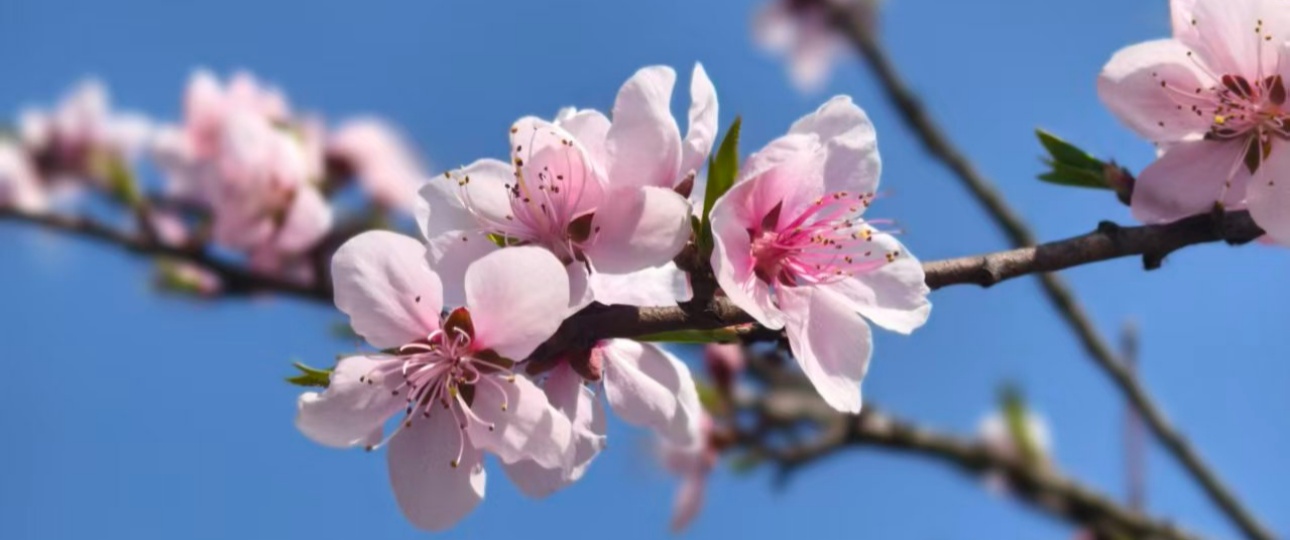
March through May and September through November are ideal. Spring brings wildflowers and the Liuba mountain countryside in bloom. Autumn delivers crisp mountain air and golden foliage. Summer (June–August) is warm and humid, but the mountain elevation provides cooler temperatures — however, this is also the rainy season, and mountain roads may be affected by landslides or debris flows. Winter (December–February) is cold and quiet. Please note that some mountain scenic areas may close during the coldest months.
The Qinba mountain roads include curves, tunnels, and bridges. The G85 expressway to Liuba is a modern, well-maintained highway. The G316 and G7011 routes to Shiquan and Xunyang are paved national roads with occasional mountain sections. We use an SUV for added comfort and safety, and all driving is during daylight hours with rest stops at scenic viewpoints.
Hanzhong Chenggu Airport operates domestic flights from major Chinese cities including Beijing (approximately 2.5 hours) and Shanghai (approximately 3 hours). For international travelers, the most practical routing is to fly into Xi'an Xianyang International Airport — which has direct flights to Seoul, Tokyo, and other Asian hubs — and take a high-speed train to Hanzhong (approximately 1.5 hours). Your guide can meet you at either Hanzhong Airport or Hanzhong Railway Station.
Yes. All our guides are licensed Chinese professionals holding valid China National Guide Certificates, with native-level English proficiency and deep expertise in the history of the Han Dynasty, the Three Kingdoms period, and the cultural geography of the Qinling region.
Yes. We can accommodate vegetarian, halal, and other dietary requirements. Please note that southern Shaanxi cuisine tends toward spicy flavors. Your guide will communicate with restaurants in advance to prepare milder options. If you have specific dietary needs, please inform us at least 10 days before departure.
All listed hotels have Western-style toilets. Zhongba Grand Canyon has Western-style facilities at the visitor center and some rest stops. In smaller towns such as Shuhe Ancient Town and some public areas, squat toilets may still be encountered. Bring your own toilet paper and hand sanitizer as backup.
Hanzhong has well-equipped hospitals. Liuba, Shiquan, and Xunyang are smaller counties with limited medical facilities. We recommend bringing a personal supply of any regular medications, as well as basic remedies for digestive issues. Comprehensive travel insurance is strongly recommended.
Layered clothing for variable mountain weather (daytime temperatures 15–25°C in spring and autumn, cooler in the mornings and evenings at higher elevations), comfortable walking shoes with good traction, rain gear (especially in summer), sunscreen, insect repellent, and any personal medications. A detailed packing list will be provided in your pre-departure handbook.
Mostly yes. Zhongba Grand Canyon is entirely flat boardwalk. Hanzhong's heritage sites are on flat city streets. The Xunyang Taiji City Viewpoint involves no climbing. Zhang Liang Shrine has some stone steps. The itinerary has been specifically redesigned to remove physically demanding activities such as Zibaishan hiking. Travelers who use mobility aids should contact us before booking so we can make appropriate arrangements.