Overview
An Odyssey from Mysterious Civilizations to Snow-Capped Summits.
Some journeys are about seeing. This one is about discovering two very different kinds of awe.
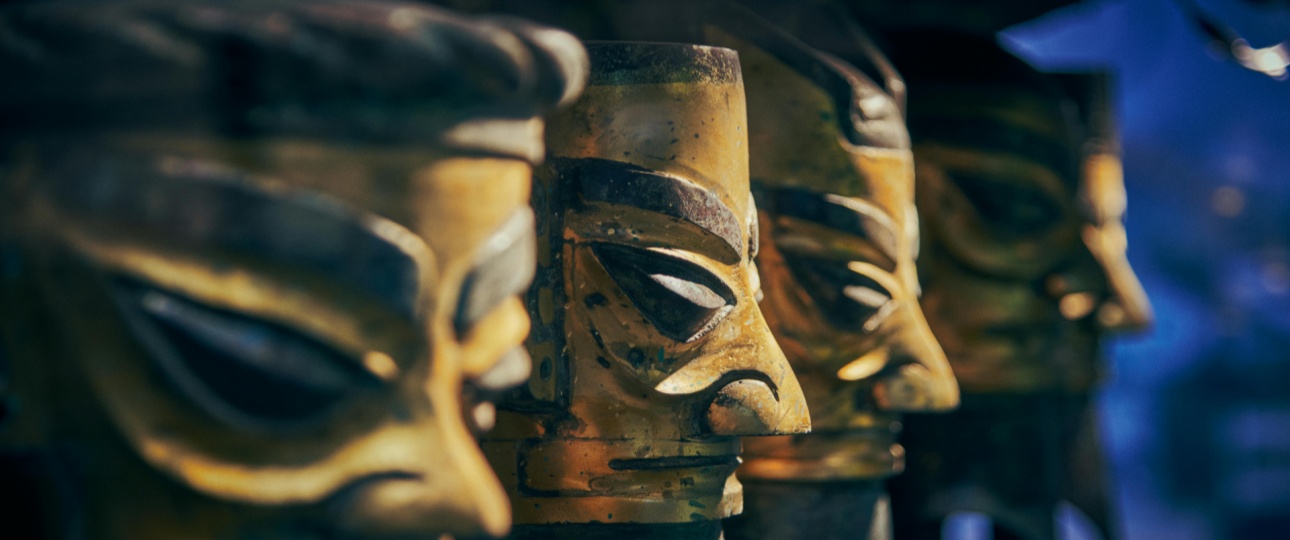
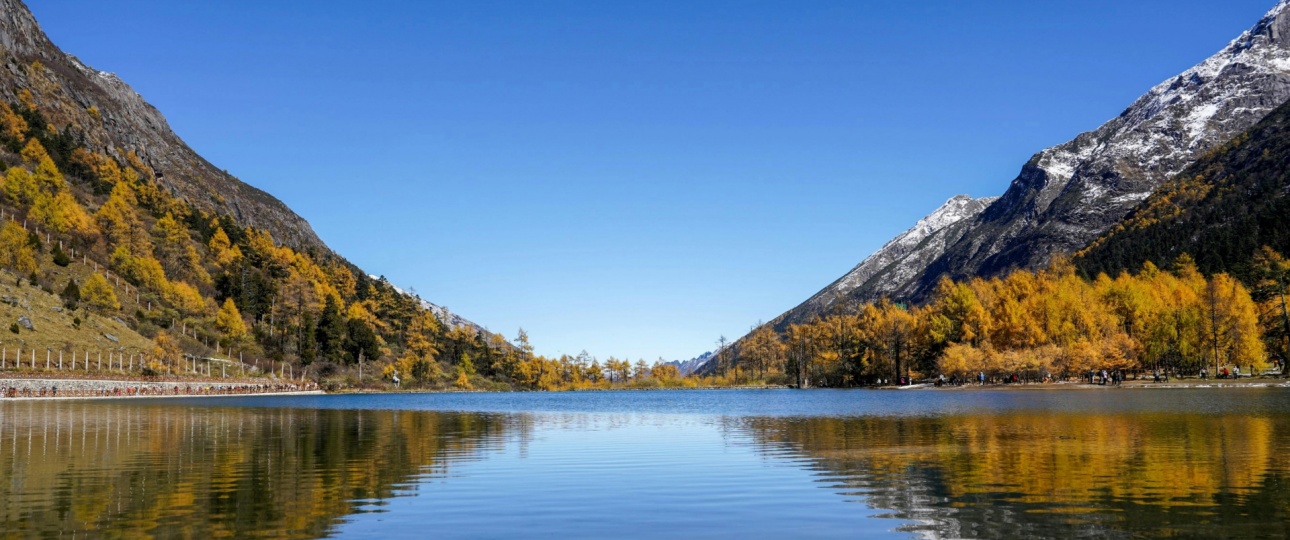
The first is the awe of human craft. At Sanxingdui, a Bronze Age civilization buried its gods and vanished, leaving behind towering masks, radiant sunbirds, and a bronze sacred tree that reaches toward heaven — artifacts so strange and beautiful that they rewrite the history of human creativity. The second is the awe of nature. At Mount Siguniang, four snow-draped peaks rise from deep valleys like a Chinese Patagonia, while giant pandas doze in bamboo forests at their feet.
This 10-day journey begins in Chengdu, the gastronomic capital of Sichuan, before vaulting northwest into the Hengduan Mountains. You will stand before the giant bronze masks of Sanxingdui, walk the ancient irrigation works of Dujiangyan, watch pandas at play in the Wolong Shenshuping Base, and ascend by electric cart into the glacial valleys of Mount Siguniang — where prayer flags flutter above alpine lakes and yak caravans still ply the high trails.
The itinerary is built for a relaxed, unhurried pace. High-speed rail and private vehicles minimize road transfers. Every mountain ascent is buffered by acclimatization days to ensure comfort at altitude. No rushed bus transfers. No shopping stops. Just bronze, bamboo, and ice — three elements that together form an experience available nowhere else in China.
Trip Highlights
- Stand before the Bronze Age masks of Sanxingdui — towering, otherworldly faces buried for 3,000 years, now displayed in a stunning new museum that opened in 2023
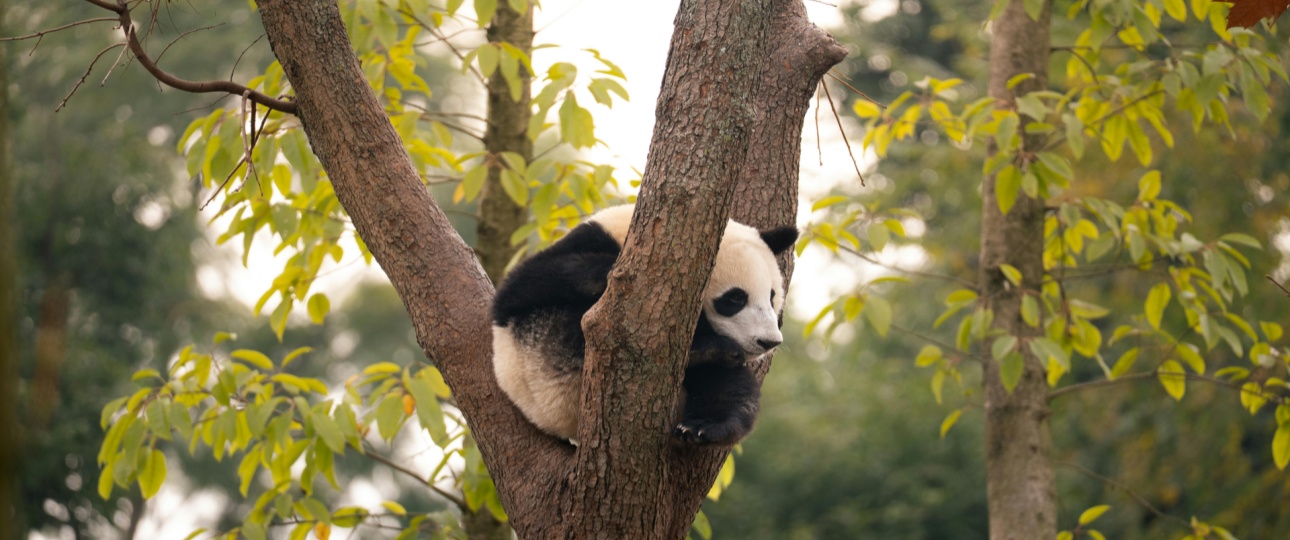
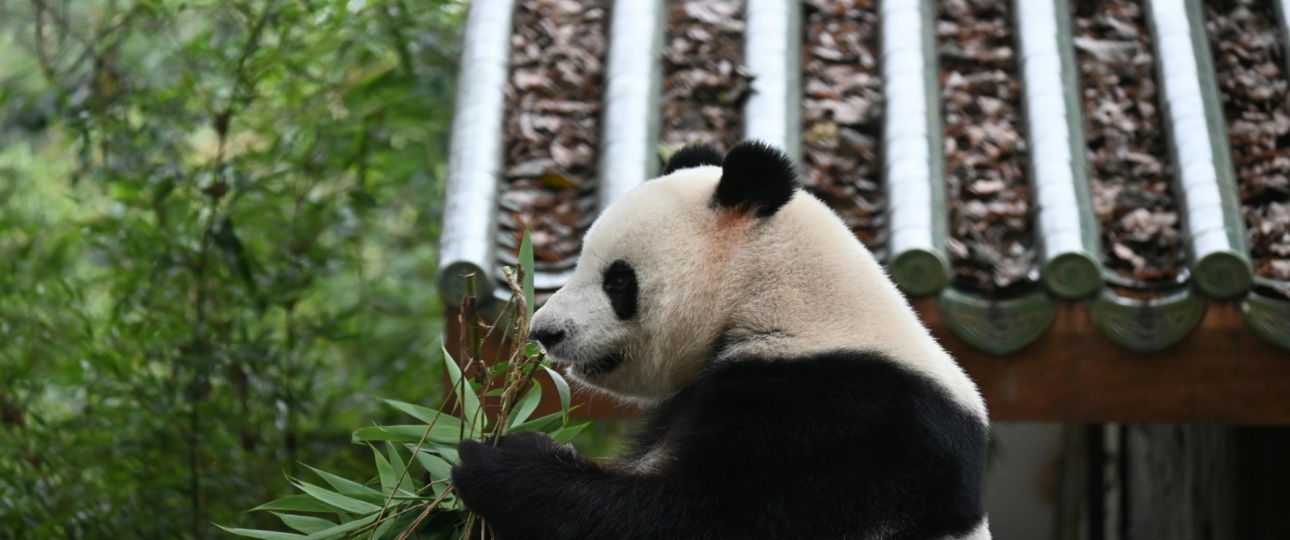
- Watch giant pandas in their natural mountain habitat at the Wolong Shenshuping Base, where over 90 pandas live in spacious enclosures surrounded by forested slopes — a far cry from crowded city zoos
- Ascend by electric cart into the glacial valleys of Mount Siguniang — four sacred snow peaks rising above alpine lakes, prayer flags, and yak pastures, with all the drama of the Himalayas but none of the extreme altitude risk
- Walk the ancient irrigation works of Dujiangyan — a 2,300-year-old water management system still functioning today, recognized as a UNESCO World Heritage site
- Explore the vibrant teahouse culture of Chengdu — from a private welcome tea ceremony upon arrival to the historic streets of Jinli and Kuanzhai Alley
- All high-altitude segments buffered by acclimatization days — with oxygen support and carefully paced ascents to ensure comfort throughout
Itinerary
Chengdu (3 nights) → Dujiangyan (1 night) → Mount Siguniang (2 nights) → Chengdu (3 nights)
Days 1–3 · Chengdu — Teahouses, Bronze & Ancient Water
Touch down at Chengdu Tianfu International Airport, where a private driver awaits. A restful first day eases jet lag with a private tea ceremony. Day 2 takes you to Sanxingdui, the Bronze Age civilization that rewrote Chinese history. Day 3 explores the Dujiangyan Irrigation System before settling into a quiet hotel at Qingcheng Mountain.
Days 4–5 · Wolong & Mount Siguniang — Pandas & Sacred Peaks
On Day 4, watch pandas in the mountain-rimmed enclosures of Wolong Shenshuping Base, then ascend via Balang Mountain to Mount Siguniang. Day 5 is the crescendo: a full day in Shuangqiao Valley by electric cart, with panoramic views of snow peaks, glacier-fed lakes, and yak pastures.
Day 6 · Return to Chengdu
Descend from the mountains back to Chengdu. A gentle afternoon at leisure.
Day 7 · Chengdu — Panda Base & City Soul
Visit the Chengdu Research Base of Giant Panda Breeding in the morning — the best chance to see cubs and active pandas — followed by a free afternoon on Jinli Ancient Street and Kuanzhai Alley.
Days 8–9 · Chengdu at Leisure
Two full free days for independent exploration, shopping, and a farewell hot pot dinner.
Day 10 · Departure
Private transfer to Chengdu Tianfu International Airport.
Your private chauffeur will be waiting at Chengdu Tianfu International Airport holding a name sign. Transfer to your hotel takes approximately 50–60 minutes. No activities are scheduled today. After a transpacific flight, rest and recovery are paramount.
In the early evening, a private welcome tea ceremony awaits — not in a tourist teahouse, but in a quiet courtyard setting where a tea master introduces you to the art of Sichuan tea preparation. Light Sichuan snacks accompany the session.
Accommodation: The Temple House Chengdu (or Four Points by Sheraton Chengdu East Station)
Meals Included: Welcome Dinner
After a leisurely breakfast, a private vehicle takes you to Sanxingdui Museum (approximately 1 hour from central Chengdu). The new museum building, opened in 2023, houses the most mysterious Bronze Age artifacts ever discovered in China — colossal masks with protruding eyes, a 4-meter bronze sacred tree, and gold foil sunbirds — all buried for over 3,000 years by a civilization that left no written records and vanished without explanation.
Spend the full morning and early afternoon exploring the galleries. Lunch is at a local restaurant near the museum. Return to Chengdu by late afternoon. The evening is free.
Accommodation: The Temple House Chengdu (or Four Points by Sheraton Chengdu East Station)
Meals Included: Breakfast
Morning visit to the Dujiangyan Irrigation System, a UNESCO World Heritage site built in 256 BCE that still functions today. Unlike a dam, Dujiangyan works with the natural flow of the Min River — diverting water, preventing floods, and irrigating the Chengdu Plain without a single concrete wall. Walk the suspended Anlan Bridge and visit the Erwang Temple, dedicated to Li Bing, the engineer who designed the system.
In the afternoon, settle into your hotel at the foot of Qingcheng Mountain, one of the birthplaces of Daoism. The remainder of the day is free to rest or stroll the forested paths around the hotel.
Accommodation: Six Senses Qingcheng Mountain (or a boutique hot spring hotel at Qingcheng Mountain)
Meals Included: Breakfast
Morning departure for Wolong Shenshuping Panda Base (approximately 1.5 hours from Dujiangyan). Home to over 90 giant pandas, this is China's premier panda research and breeding center set within the animals' natural mountain habitat. Unlike crowded city zoos, Wolong's spacious enclosures are surrounded by forested slopes and snow-capped peaks — the closest experience to seeing pandas in the wild, with guaranteed sightings. Morning is the ideal viewing time, when pandas are most active feeding and playing.
After lunch, continue over Balang Mountain (approximately 2 hours). At the Balang Pass (elevation 4,523 meters), pause at Maobi Bridge Viewpoint for your first panorama of Mount Siguniang — four snow peaks rising in succession, often wreathed in cloud. Descend to Mount Siguniang Town (elevation 3,200 meters) for overnight rest.
Accommodation: Sgura Manor Hotel, Mount Siguniang (a premier resort at the entrance of Changping Valley, offering standalone villas with medical-grade oxygen supply and authentic Tibetan cultural immersion) or Vala Toms Cliff Hotel (a clifftop retreat in Changping Valley with stunning mountain views and in-room oxygen)
Meals Included: Breakfast
A full day in Shuangqiao Valley, the most accessible and spectacular of Mount Siguniang's three valleys. An electric cart takes you from the valley entrance (2,900 meters) to the upper terminus at Redwood Forest (3,800 meters), where boardwalks wind through ancient spruce groves beneath glacier-draped peaks. From here, you descend at your own pace — stopping at alpine lakes, prayer flag clusters, and yak-grazing meadows — with the electric cart available to hop on and off at any designated stop.
The entire valley visit is designed for comfort: no hiking required, oxygen canisters provided, and ample rest stops with Tibetan-style tea houses along the route. Lunch is a warm meal at a valley restaurant.
Accommodation: Sgura Manor Hotel, Mount Siguniang (a premier resort at the entrance of Changping Valley, offering standalone villas with medical-grade oxygen supply and authentic Tibetan cultural immersion) or Vala Toms Cliff Hotel (a clifftop retreat in Changping Valley with stunning mountain views and in-room oxygen)
Meals Included: Breakfast, Lunch
A relaxed morning. Depending on weather and energy levels, you may take a short walk in the mountain town, visit a local Tibetan household to see traditional thangka painting, or simply enjoy the mountain views from your hotel window.
Late morning departure for the return drive to Chengdu (approximately 5 hours, with rest stops). Arrive in Chengdu by late afternoon. The evening is free.
Accommodation: The Temple House Chengdu (or Four Points by Sheraton Chengdu East Station)
Meals Included: Breakfast
Morning visit to the Chengdu Research Base of Giant Panda Breeding — the ideal time to see cubs and active pandas, especially during the 09:00–11:00 feeding window. Unlike Wolong, which offers a mountain-habitat experience, the Chengdu base provides the best opportunity to see panda cubs up close, including the famous "nursery" area where young pandas play and climb under keeper supervision.
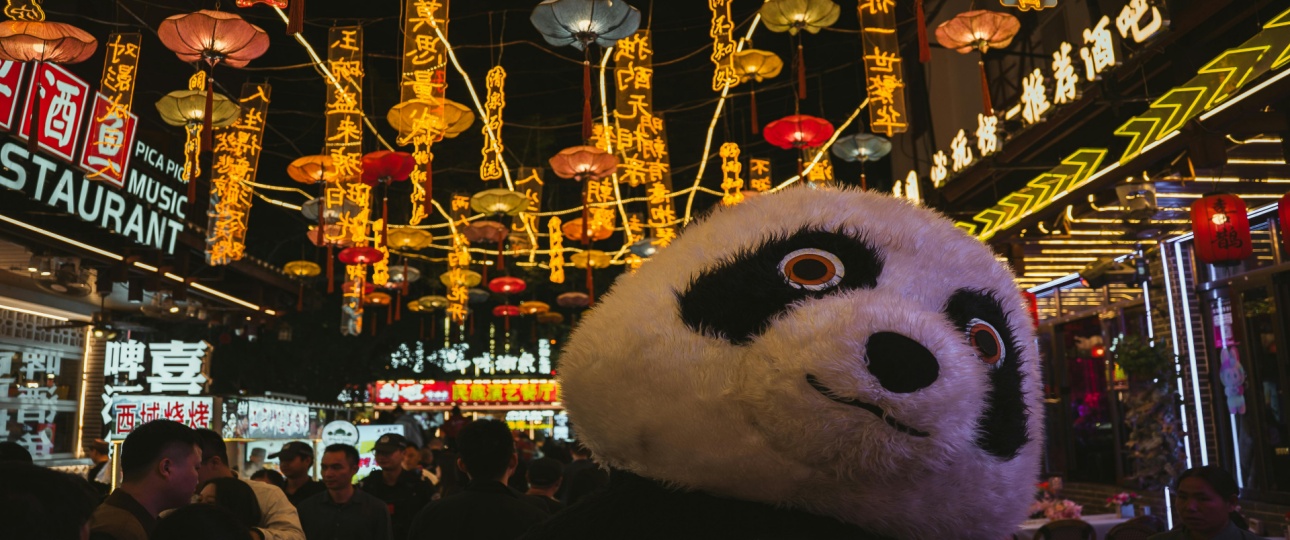
After lunch, the afternoon is free. Your guide will suggest a walk along Jinli Ancient Street, a restored Qing-dynasty pedestrian lane of tea houses, craft shops, and Sichuan snack stalls, or Kuanzhai Alley, where three parallel lanes preserve Qing-dynasty courtyard architecture amid modern cafes and artisan workshops.
Accommodation: The Temple House Chengdu (or Four Points by Sheraton Chengdu East Station)
Meals Included: Breakfast
A full free day for independent exploration, shopping, or rest. Recommendations from your guide:
- People's Park — the living heart of old Chengdu, where locals practice tai chi, play mahjong, and sip tea at the century-old Heming Teahouse
- Wuhou Temple & Jinli — dedicated to Zhuge Liang of the Three Kingdoms era, adjacent to Jinli Street for souvenir shopping
- Chengdu Museum — a modern, well-curated museum covering the city's 4,000-year history, including a dedicated Sanxingdui section
Accommodation: The Temple House Chengdu (or Four Points by Sheraton Chengdu East Station)
Meals Included: Breakfast
A final free day. Continue your independent exploration, revisit a favorite neighborhood, or do last-minute shopping for Sichuan pepper, Tibetan handicrafts, and tea.
In the evening, gather for a farewell dinner — an authentic Sichuan hot pot in a carefully selected local restaurant. A split pot with mild and spicy broth is available for those who prefer a gentler introduction to Sichuan spice.
Accommodation: The Temple House Chengdu (or Four Points by Sheraton Chengdu East Station)
Meals Included: Breakfast, Farewell Dinner
A relaxed final morning. Enjoy a leisurely breakfast at the hotel. Depending on your flight schedule, you may have time for a last walk or simply a quiet coffee.
At the appointed time, a private vehicle transfers you to Chengdu Tianfu International Airport for your departure flight. Chengdu Tianfu operates direct international flights to major North American hubs, as well as extensive connections via Asian gateway cities.
Meals Included: Breakfast
Includes/Excludes
Cost Includes
- 9 nights' accommodation at five-star and boutique hotels (including Sgura Manor Hotel or Vala Toms Cliff Hotel at Mount Siguniang, both with in-room oxygen supply)
- Daily breakfast
- Welcome dinner and farewell hot pot dinner
- Private English-speaking guide throughout the journey
- All intercity transfers in a private air-conditioned vehicle
- All entrance fees to listed scenic areas (including Sanxingdui Museum, Wolong Shenshuping Base, Mount Siguniang Shuangqiao Valley, Dujiangyan Irrigation System, Chengdu Panda Base)
- Electric cart service in Shuangqiao Valley
- Private tea ceremony on Day 1
- Oxygen support and altitude safety kit on Days 4–6
- 24/7 local operations support
Cost Excludes
- International airfare to and from China
- Chinese visa fees (L tourist visa required; invitation letter provided)
- Lunches and most dinners (except where specified)
- Personal expenses
- Tips for guides and drivers
Frequently Asked Questions
FAQs
Chengdu is not just a transit hub — it is a city of deep cultural texture that rewards unhurried exploration. The two free days allow you to discover its layers at your own pace: sip tea at a century-old teahouse in People's Park, explore hidden temple courtyards, wander through Jinli's artisan alleyways, or simply rest after the mountain journey. Should you wish for more structured exploration, we can always arrange additional guided walks or day trips to nearby sites such as the Leshan Giant Buddha.
Each offers a distinctly different experience. Wolong Shenshuping Base, nestled in the pandas' natural mountain habitat, provides spacious enclosures against a backdrop of forested slopes and snow peaks — a serene, uncrowded encounter. The Chengdu Research Base, on the other hand, offers the best opportunity to see panda cubs up close, especially in the nursery area. By including both, you get the full spectrum of China's panda conservation story.
Mount Siguniang Town sits at 3,200 meters, and Shuangqiao Valley reaches 3,800 meters. The itinerary is designed to minimize altitude risk: you sleep at Dujiangyan (700 meters) on Day 3, spend a buffer afternoon at Wolong (1,700 meters) on Day 4 before ascending, and oxygen canisters are provided throughout Days 4–6. Your hotel at Mount Siguniang (Sgura Manor or Vala Toms) is equipped with medical-grade or in-room oxygen supply. Most travelers experience only mild shortness of breath. Those with serious cardiovascular conditions should consult a doctor before booking.
Minimal. Sanxingdui involves museum walking. Dujiangyan has paved paths and a suspension bridge. Shuangqiao Valley uses electric carts for access to all viewpoints — no hiking required. The only extra effort is walking at altitude, which is made comfortable with a slow pace and frequent rest stops.
Sanxingdui requires real-name reservation and tickets can sell out quickly. We will handle the reservation for you well in advance, ensuring your entry. Once booked, your guide will have the tickets ready on the day of your visit — no queuing at the ticket office.
Jiuzhaigou requires a 7–8 hour drive from Chengdu each way and attracts enormous crowds. Mount Siguniang — about 4 hours from Chengdu — offers comparable alpine scenery with snow peaks, glacial lakes, and prayer flags, with far fewer visitors and a more intimate experience. We believe it is better suited for travelers who value tranquility and comfort.
April–June and September–November are ideal. Spring brings wildflowers and active pandas. Autumn delivers crisp mountain skies and golden foliage. Summer is warm in Chengdu but pleasant at altitude. Winter offers stunning snow scenery but requires warm clothing and may involve occasional road closures at Balang Pass.
Daytime temperatures in the mountains are mild (15–25°C) in spring and autumn, but early mornings and evenings can be chilly (5–10°C). We recommend layered clothing, a warm fleece or down jacket, comfortable walking shoes, sunglasses, and sunscreen. Rain gear is advisable in summer. Your detailed packing list will be provided in the pre-departure handbook.
Not much. Alipay and WeChat Pay are ubiquitous in China. Major international credit cards can now be linked to both platforms — no Chinese bank account required. Carry a small amount of RMB for rural areas around Mount Siguniang, where digital payment may occasionally be less reliable.
All hotels and major scenic areas have Western-style toilets. In rural areas around Mount Siguniang and Wolong, squat toilets may still be encountered. Bring your own toilet paper and hand sanitizer, as they are not always provided in public restrooms.
This itinerary is based on verified scenic area access, confirmed hotel operations, and existing transportation routes as of 2025–2026. All named accommodations, scenic areas, and experiences are real and bookable.