11 Days through Yunnan’s World Heritage Tea Mountains
Overview
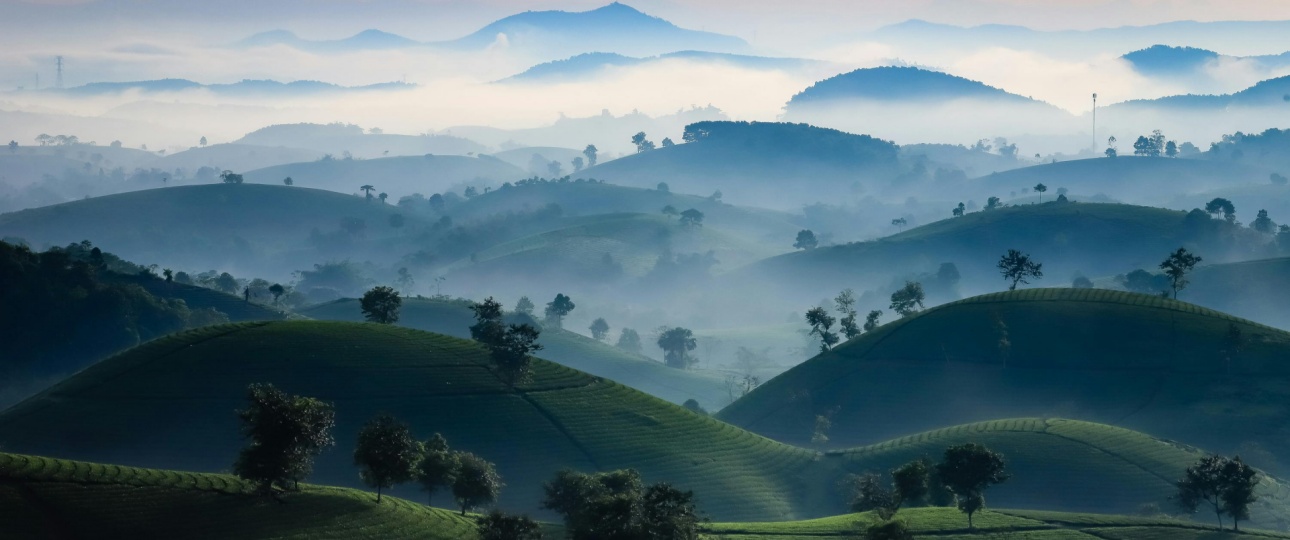
From Living Forests to Your Cup: A Pilgrimage to the Source of Pu’er.In the mist‑draped mountains of southern Yunnan, tea is not merely a beverage. It is a cosmology — a living tradition tended by the Bulang and Dai peoples for over 1,300 years. Here, ancient tea trees rise like arboreal patriarchs from forest floors, their roots entwined with the very soil that birthed the world’s tea culture. In 2023, UNESCO inscribed the Jingmai Mountain Ancient Tea Forests as a World Heritage site — the first and only tea‑themed cultural landscape on the list, and a place where leaves from millennium‑old trees still release an orchid‑like, profound sweetness.
This 11‑day journey traces a sacred arc across Xishuangbanna and Pu’er. It begins with a gentle landing in the tropical embrace of Xishuangbanna, then ascends to Jingmai Mountain for three days of deep tea immersion — crafting your own stone‑pressed pu’er cake, walking through ancient groves with village elders, and sleeping in a new resort at the foot of the World Heritage area. Finally, you return to Xishuangbanna’s ancient towns and legendary night markets, with ample time for rest, shopping, and a proper farewell feast.
There are no hurried bus transfers, no staged “tea ceremony” performances, and no shopping stops. Just a slow, linear pilgrimage into the heart of tea, where every cup tells a thousand‑year story.
Trip Highlights
- Walk the world’s only tea‑themed UNESCO World Heritage site — Jingmai Mountain’s 1.8‑million‑mu ancient tea forests, where trees planted during the Tang Dynasty still produce leaves of extraordinary depth
- Craft your own pu’er tea cake from leaf to finished product — pick, wither, pan‑fire, roll, sun‑dry, and stone‑press tea under the guidance of Bulang and Dai artisans who have inherited 47 generations of knowledge
- Taste pu’er across three distinct terroirs — Jingmai’s floral orchids, Yiwu’s honeyed smoothness, and Nannuo’s wild, forest‑floor notes — developing your palate like a wine appellation tour
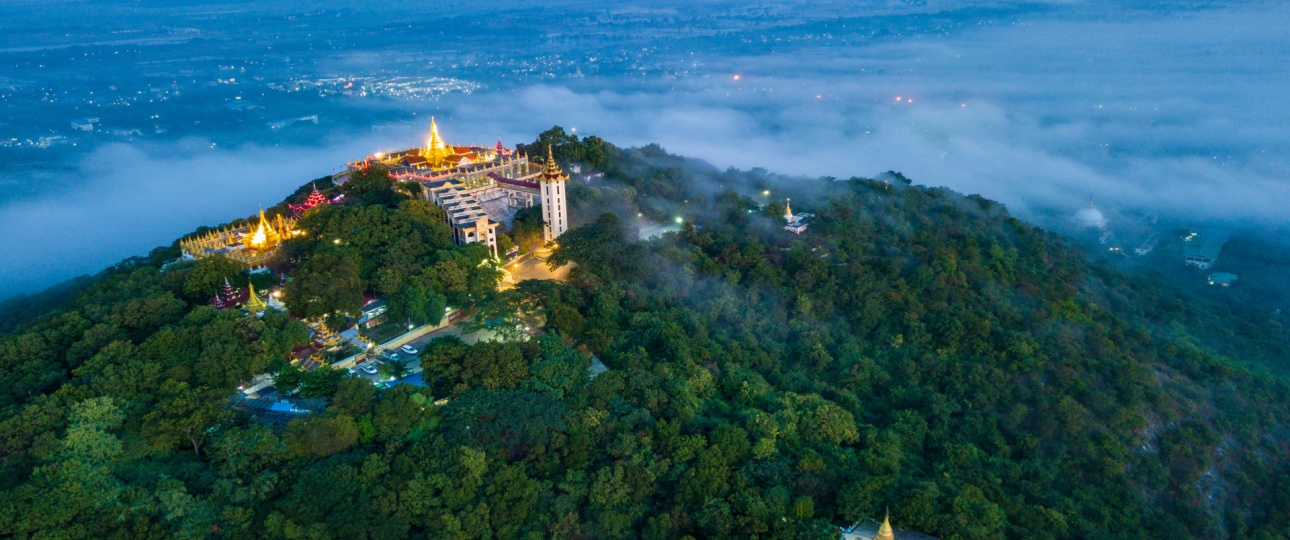
- Sleep inside a World Heritage landscape — four nights at the IHG‑managed Holiday Inn Jingmai, a 2025‑opened resort nestled at the foot of the ancient tea mountains with panoramic cloud‑sea views
- Stroll through the largest authentic night market in Xishuangbanna — Gaozhuang Starlight, where grilled lemongrass fish, hand‑woven Dai textiles, and tropical fruits reward those who wander
- Explore Yiwu, the ancient tea mountain whose honey‑smooth leaves were once reserved for Qing emperors, and walk its cobblestone streets lined with century‑old tea houses
- All intercity transfers by modern high‑speed rail (approx. 40 minutes) with private vehicle support for last‑mile tea mountain access — daily transit never exceeds 2.5 hours
Itinerary
Xishuangbanna (2 nights) → Jingmai Mountain, Pu’er (4 nights) → Xishuangbanna (4 nights)
Days 1–2 · Xishuangbanna — Arrival & Tropical Welcome
Touch down at Xishuangbanna Gasa International Airport (JHG), where a private driver awaits. A restful first day eases jet lag. On Day 2, begin gently with the former Dai royal gardens of Manting and the golden spires of Zongfo Temple, followed by an evening stroll through the Gaozhuang Starlight Night Market.
Days 3–6 · Jingmai Mountain, Pu’er — A World Heritage Pilgrimage
A swift high‑speed train (40 min) brings you to Pu’er, then a private car ascends to Jingmai Mountain. Spend three unhurried days walking 1,300‑year‑old tea forests with Bulang and Dai families, crafting your own stone‑pressed pu’er cake, tasting vintages, and sleeping in an IHG resort at the mountain’s foot.
Days 7–10 · Return to Xishuangbanna — The Deeper South
Back in Xishuangbanna, journey to the ancient tea mountain of Yiwu, visit the vast Xishuangbanna Tropical Botanical Garden, and enjoy a full free day for riverside market shopping and a farewell feast featuring fragrant Dai cuisine.
Day 11 · Departure
A final morning at leisure before a private transfer to Xishuangbanna Gasa International Airport.
Your private chauffeur will be waiting at Xishuangbanna Gasa International Airport (JHG) , holding a name sign. The transfer to your hotel is a smooth 20‑minute drive (approx. 9–10 km). No activities are scheduled today. After a transpacific flight, rest and recovery are paramount. A gentle welcome dinner featuring Dai‑style lemongrass chicken and grilled Jinghong fish is available at the hotel, or you may simply retire to your room.
Accommodation: Four Points by Sheraton Xishuangbanna (opened June 2025, Marriott group) or upgrade to InterContinental Xishuangbanna Resort (awarded 2025 Luxury Hotel of the Year by Ctrip)
Meals Included: Welcome Dinner
After a leisurely breakfast, visit Manting Imperial Garden (open 08:00–17:00), a 400‑mu former royal retreat of Dai kings. Adjacent lies Zongfo Temple, the spiritual center of Southern Theravada Buddhism in Xishuangbanna, its golden spires rising from dense tropical foliage. The afternoon is free for hotel relaxation. In the evening, your guide can suggest a self‑guided stroll through the Gaozhuang Starlight Night Market, the largest and most authentic night market in the region — a pressure‑free introduction to local flavors and handicrafts.
Accommodation: Four Points by Sheraton Xishuangbanna or InterContinental Xishuangbanna Resort
Morning transfer to Xishuangbanna Railway Station (approx. 6 km). Board a high‑speed train to Pu’er Station — the journey averages 40 minutes, with frequent daily services operating on the Dali–Xishuangbanna corridor. Upon arrival, a private vehicle takes you up to Jingmai Mountain (approx. 2–2.5 hours). Check into the Holiday Inn Jingmai Pu’er, an IHG‑managed resort newly opened at the foot of the ancient tea forests. The remainder of the day is for acclimatization.
Accommodation: Holiday Inn Jingmai Pu’er (opened December 2025, IHG)
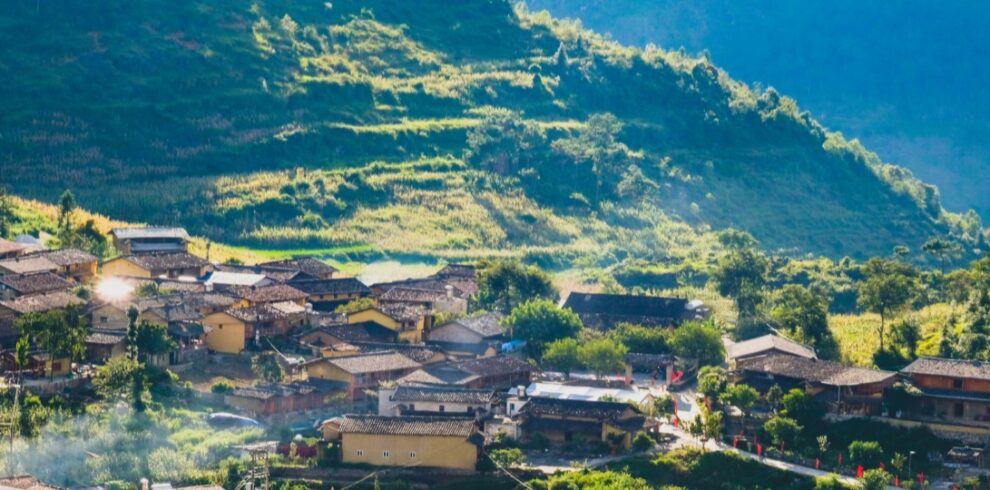
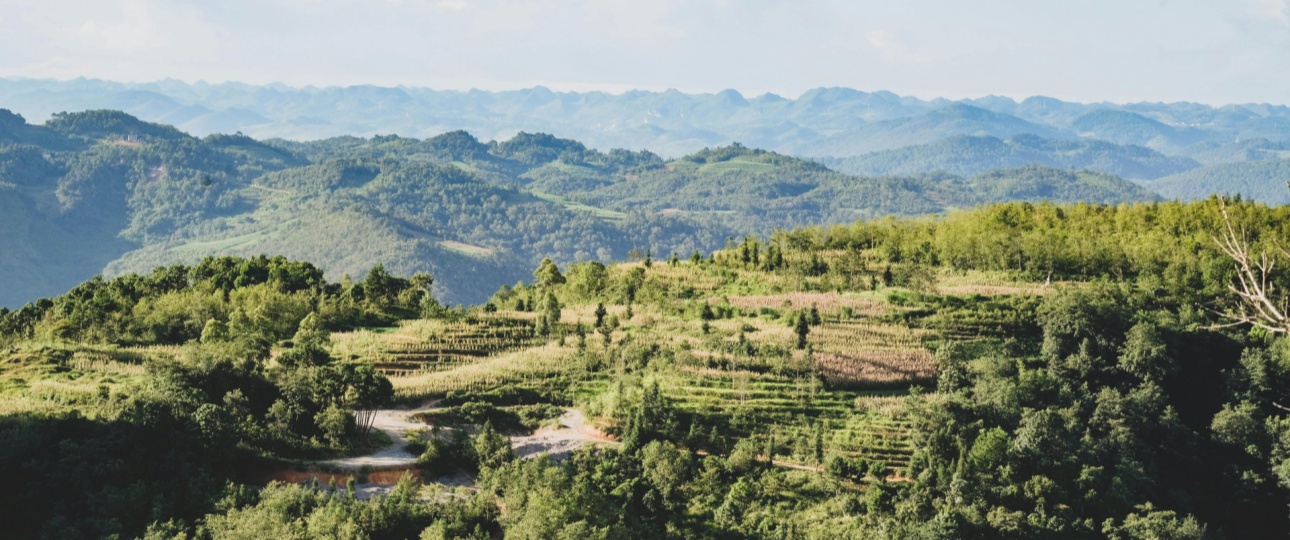
A full day immersed in the Jingmai Mountain Ancient Tea Forest Cultural Landscape, a UNESCO World Heritage site (inscribed 2023) encompassing approximately 1.8 million mu of tea groves. Walk among ancient trees — some over 1,300 years old — and visit Wengji Bulang Village, a millennium‑old settlement where tea remains currency, medicine, and prayer. Continue to Nuogan Dai Village to see well‑preserved stilted houses and witness two ethnic cultures coexisting on one mountain.
Accommodation: Holiday Inn Jingmai Pu’er
(Advance booking required · Seasonally limited)
This exclusive Jingmai Mountain experience is a non-commercial, authentic local activity hosted by generations-old Blang and Dai tea farming families who have lived here for centuries. We will confirm the reception arrangements with the tea farmers 7 days in advance. Tea farmers' daily lives revolve around tea cultivation and processing, and the specific itinerary of the day may be slightly adjusted according to their farming schedules and weather conditions.
09:00-09:30 Departure from hotel
After breakfast, take a short drive to the nearby tea farmer's home (approximately 15 minutes from Jingmai Mountain Holiday Hotel). This avoids long-distance travel, preserves your energy, and allows for a gentle recovery following the full-day ancient tea forest hike on Day 4.
09:30-12:00 Private ancient tea garden visit
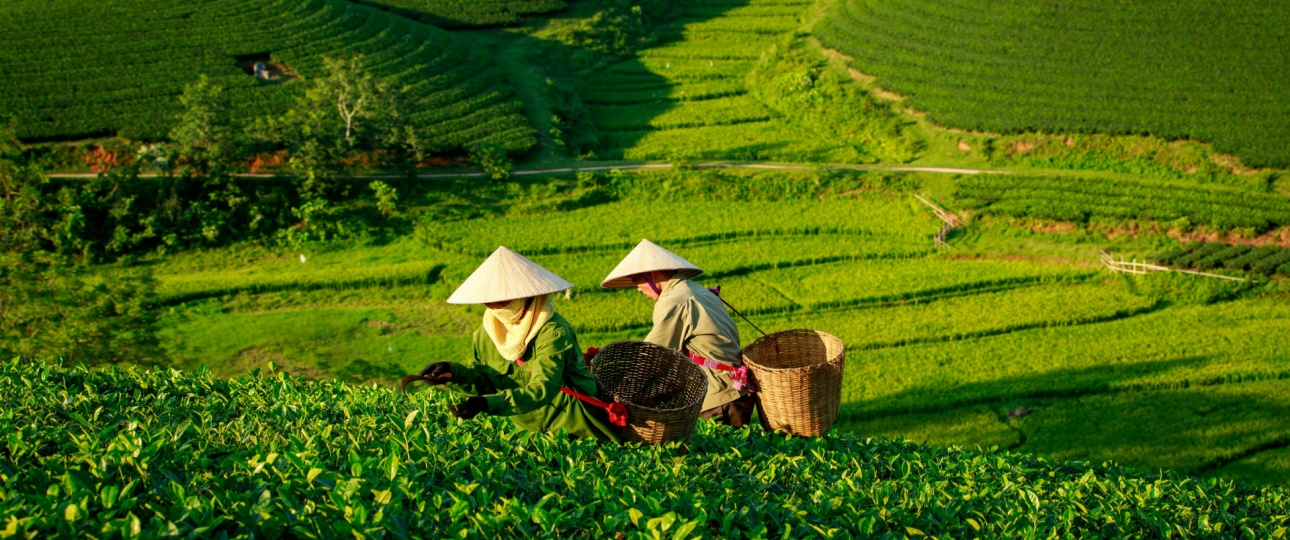
- Spring tea season (April 1st - May 20th only): Follow the tea farmer into their family-owned ancient tea garden. Learn to distinguish between ancient tree tea and terrace tea, listen to stories of how their family has guarded the tea mountains for generations, and experience 1 hour of tea picking (no production requirements, focused on participation and learning).
- Non-spring tea season (June - March of the following year): Take a guided walk through the ancient tea forest with the tea farmer. Receive an in-depth explanation of the unique ecosystem of Jingmai Mountain's World Heritage tea forests, and visit ancient tea trees over 500 years old.
12:00-13:30 Home-cooked lunch at the tea farmer's house
Enjoy authentic farm-to-table cuisine at the tea farmer's home. All ingredients are sourced from their own vegetable garden, offering the most original flavors of the tea mountain.
13:30-16:00 Traditional tea processing experience
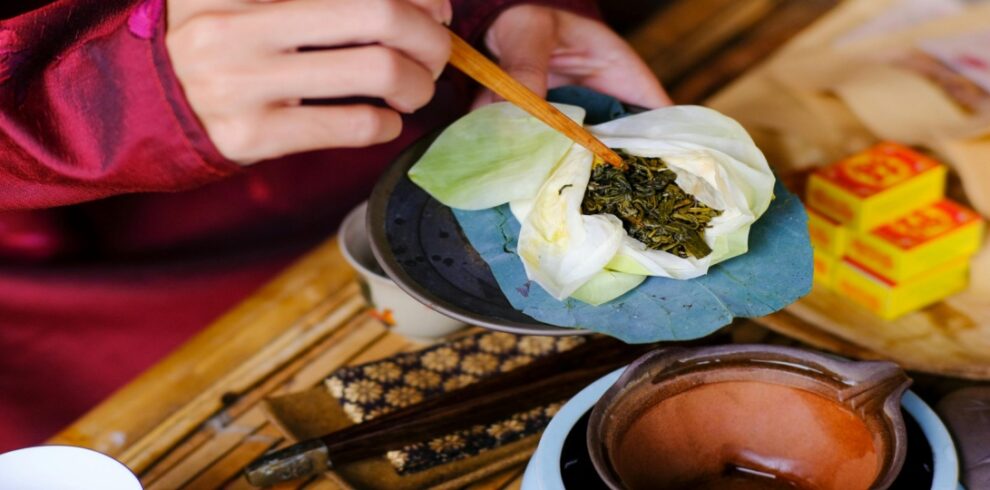
Watch the tea farmer demonstrate the core processes of raw Pu'er tea production: withering, fixation, and rolling. Under the full guidance of the tea farmer, you can personally experience 10-15 minutes of pan-firing (fixation). Afterwards, you will hand-press your own exclusive commemorative Pu'er tea cake, engraved with your name and the date, which you can take away on the same day.
Important note: The fresh leaves you pick on the day require a complete 15-day production process (sun-drying, moisture equilibration, cake pressing). Once the tea is fully processed, we will mail it to your home free of charge.
16:00-16:30 Return to hotel
Take the vehicle back to Jingmai Mountain Holiday Hotel for free rest, to recharge for the Dapingzhang Viewing Platform hike and professional tea ceremony on Day 6.
Accommodation: Jingmai Mountain Holiday Hotel
⚠️ Essential Pre-Trip Information (Must be displayed prominently in the itinerary)
- Seasonal restrictions: Authentic tea picking and pan-firing experiences are only available during the annual spring tea season (April 1st - May 20th). There are no fresh leaves to pick or tea frying operations at other times. We will upgrade your experience to an in-depth ancient tea forest hike + Pu'er tea history and culture sharing session as an alternative.
- Booking and reception instructions: This experience is not a standardized commercial project. Tea farmers' time is prioritized for agricultural production. We cannot 100% guarantee that a tea farmer host will be available on your travel date. If the tea farmers are too busy with farm work to host, we will upgrade your experience to a 2-hour private tea session with a local certified tea master + in-depth guided tour of the Jingmai Mountain Tea Culture Museum.
- Tea processing cycle explanation: Pu'er tea has a strict natural production cycle. Fresh leaves picked on the day can absolutely NOT be pressed into cakes and taken away the same day. Any itinerary claiming "pick tea in the morning and take away your pressed cake the same day" is a staged experience using pre-prepared tea leaves.
- Weather contingency plan: In case of heavy rain, heavy fog or other severe weather, outdoor tea picking activities will be cancelled. We will adjust the itinerary to a traditional tea banquet at the tea farmer's home + Pu'er tea hand-packaging experience.
Continue exploring Jingmai’s villages and tea forests. Walk to the Dapingzhang viewing platform for a panorama of tea‑covered slopes disappearing into cloud. In the afternoon, join a professional tea tasting led by a local tea master, comparing pu’er cakes from different villages and vintages to understand the subtle alchemy of terroir and time.
Accommodation: Holiday Inn Jingmai Pu’er
A relaxed breakfast, then farewell to Jingmai Mountain. Private transfer to Pu’er Station for the high‑speed train back to Xishuangbanna (approx. 40 min). Upon arrival, transfer to your hotel. The afternoon is free — rest by the pool or revisit the night market at your own pace.
Accommodation: Four Points by Sheraton Xishuangbanna or InterContinental Xishuangbanna Resort
A day trip to Yiwu Town, the most famous of the Six Great Ancient Tea Mountains and the source of tribute tea during the Qing Dynasty. Walk the Yiwu Old Street, lined with century‑old tea houses such as Tongqing Hao and Songpin Hao. Visit the Luoshuidong Ancient Tea Grove and Mahei Village, tasting the honey‑smooth, soft‑yet‑complex teas that define Yiwu’s terroir. Lunch with local tea farmers is included.
Accommodation: Four Points by Sheraton Xishuangbanna or InterContinental Xishuangbanna Resort
Morning visit to the Xishuangbanna Tropical Botanical Garden, Chinese Academy of Sciences — China’s largest botanical garden, spanning 1,125 hectares with over 13,000 living plant species (open 08:00–18:00, ticket ¥80). The afternoon is free for hotel relaxation: enjoy the swimming pool, a spa treatment, or simply rest.
Accommodation: Four Points by Sheraton Xishuangbanna or InterContinental Xishuangbanna Resort
A full free morning for shopping at your own pace. Recommendations include:
- Gaozhuang local markets for Dai brocade, wood carvings, aged pu’er cakes, and tropical‑fruit preserves
- Jinghong specialty shops for vintage tea, Dai silver jewelry, and textiles
No forced shopping stops. In the evening, gather for a farewell feast of Dai cuisine — pineapple purple rice, lemongrass‑grilled fish, and other regional specialties — a fitting coda to the journey.
Accommodation: Four Points by Sheraton Xishuangbanna or InterContinental Xishuangbanna Resort
Enjoy a final breakfast at the hotel. Depending on your flight schedule, you may have time to pack and rest. A private driver will transfer you to Xishuangbanna Gasa International Airport (JHG) for your connecting flight home. JHG offers direct international flights to Chiang Mai (Tuesdays, Thursdays, Saturdays) and Vientiane, with convenient connections via Kunming, Bangkok, or Singapore for North American travelers.
Includes/Excludes
Cost Includes
- 10 nights’ accommodation at international‑brand or high‑end boutique hotels (Four Points by Sheraton Xishuangbanna / InterContinental Xishuangbanna Resort, plus IHG Holiday Inn Jingmai Pu’er)
- Daily breakfast (Day 2–Day 11)
- Welcome dinner (Day 1) and farewell dinner (Day 10)
- Private English‑speaking guide throughout the journey, with specialized knowledge of tea culture
- All intercity high‑speed rail tickets (Xishuangbanna ↔ Pu’er, second class; business‑class upgrade available)
- All land transfers in a private air‑conditioned vehicle, including:
- Airport arrival & departure transfers
- Train station transfers
- Daily excursion transportation
- All entrance fees to listed scenic areas (Manting Imperial Garden, Xishuangbanna Tropical Botanical Garden, etc.)
- Full tea‑processing experience on Jingmai Mountain (picking, processing, stone‑pressing your own pu’er cake)
- Professional pu’er tea tasting (Day 6)
- 24/7 local operations support
Cost Excludes
- International airfare to and from China/North America
- Chinese visa fees (a standard L tourist visa is required for this 11‑day itinerary; we provide an invitation letter and full documentation package)
- Travel insurance (strongly recommended)
- Lunches and most dinners (except where specified) — budget approximately CNY 100–250 per meal per person
- Personal expenses (laundry, mini‑bar, telephone charges, alcoholic beverages beyond those served at included meals)
- Tips for guides and drivers (discretionary; customary guidelines provided in your pre‑departure packet)
FAQs
Absolutely. The Dali–Xishuangbanna railway corridor is fully operational, with daily high‑speed trains connecting Xishuangbanna and Pu’er in approximately 40 minutes. This is a regular China Railway service, not a chartered or seasonal route. We use private vehicles only for the final ascent to Jingmai Mountain (2–2.5 hours) and daily excursions, ensuring total daily transit never exceeds 2.5 hours.
Yes — this is a hands‑on, full‑process experience. Local tea‑farming families on Jingmai Mountain openly welcome guests to pick leaves, complete every stage of sheng pu’er processing, and stone‑press a finished cake. Your pressed cake, engraved with your name, is yours to keep. This is a mature, authentic micro‑economy on the mountain, not a staged demonstration.
Xishuangbanna Gasa International Airport (JHG) currently operates direct international flights to Chiang Mai (Thailand) and Vientiane (Laos). North American travelers typically connect via Kunming, Bangkok, or Singapore — all major hubs with frequent service. We are happy to assist with domestic flight booking to Xishuangbanna if you first arrive in a gateway city like Beijing or Shanghai.
Yes. China’s 240‑hour (10‑day) visa‑free transit policy does not cover this 11‑day itinerary, so a standard L tourist visa is required. We provide a complete visa invitation letter, hotel confirmations, and a detailed itinerary to support your application. U.S. and Canadian citizens should apply at their nearest Chinese consulate at least one month before departure.
There is no risk of altitude sickness. Jingmai Mountain’s core area sits at about 1,200–1,500 meters, while Xishuangbanna is at 500–800 meters — all within subtropical mountain elevations far below the threshold for acute mountain sickness. The climate is warm and humid, ideal for slow, comfortable exploration.
Yes — all three primary hotels have been verified via international OTA platforms and brand announcements:
- Four Points by Sheraton Xishuangbanna opened June 2025 under Marriott
- InterContinental Xishuangbanna Resort has been a regional luxury landmark for years and recently received Ctrip’s 2025 Luxury Hotel of the Year award
- Holiday Inn Jingmai Pu’er opened December 2025 under IHG, located directly at the foot of the Jingmai Mountain World Heritage area
Yes. Since October 1, 2025, Jingmai Mountain has implemented a free reservation system for all visitors. Guests with confirmed hotel bookings (such as the Holiday Inn Jingmai) will have their reservations handled by the hotel. The ancient tea forests, villages, and tea‑processing experiences described in this itinerary are all fully operational.
Lightweight, breathable clothing for subtropical weather (temperatures typically 15–28°C from October to April), comfortable walking shoes for forest trails, rain protection, and a hat. A detailed packing list is provided in your pre‑departure digital handbook.
Our standard group size is 6–12 travelers, ensuring personal attention and minimal wait times. Private departures for couples or solo travelers are available at a supplement.
October to April is ideal. During these months, Jingmai Mountain is wrapped in seasonal cloud seas, the tea forests are dry and welcoming, and daytime temperatures hover between 15–25°C — perfect for outdoor exploration. The summer rainy season (May–September) brings lush greenery but also occasional road interruptions, so we schedule departures firmly within the dry‑season window.