Jingdezhen,Yaoli, Wuyuan- Slow travel(Itinerary is friendly for Chinese Porcelain fans)
Overview
From Porcelain Capital to Ancient Villages: A Pilgrimage to the Heart of Chinese Ceramics.
There are places where history lives behind glass. Jingdezhen is not one of them.
For over a thousand years, this singular city has been the world’s porcelain capital — a place where imperial kilns fired vessels for Ming emperors, where trade routes carried “white gold” from the Pearl River Delta to Versailles, and where, still today, the air carries the faint mineral scent of kaolin clay and wood smoke. In Jingdezhen, history is not studied. It is thrown on a wheel, glazed by hand, and pulled from a kiln at dawn.
This 11‑day journey traces an arc through the living ceramic culture of Jiangxi Province. We begin with a gentle arrival in Jingdezhen itself — a city reborn through its creative renaissance — before venturing into the porcelain hinterland: the ancient kilns of Yaoli, the tea‑terraced villages of Wuyuan, and back for a full‑immersion finale of craft, culture, and unhurried shopping.
There are no rushed bus transfers, no staged “ceremony” performances, and no shopping stops. Just a linear pilgrimage into the art of fire and earth, where every cup, every bowl, every shard tells a story across a thousand years.
Trip Highlights
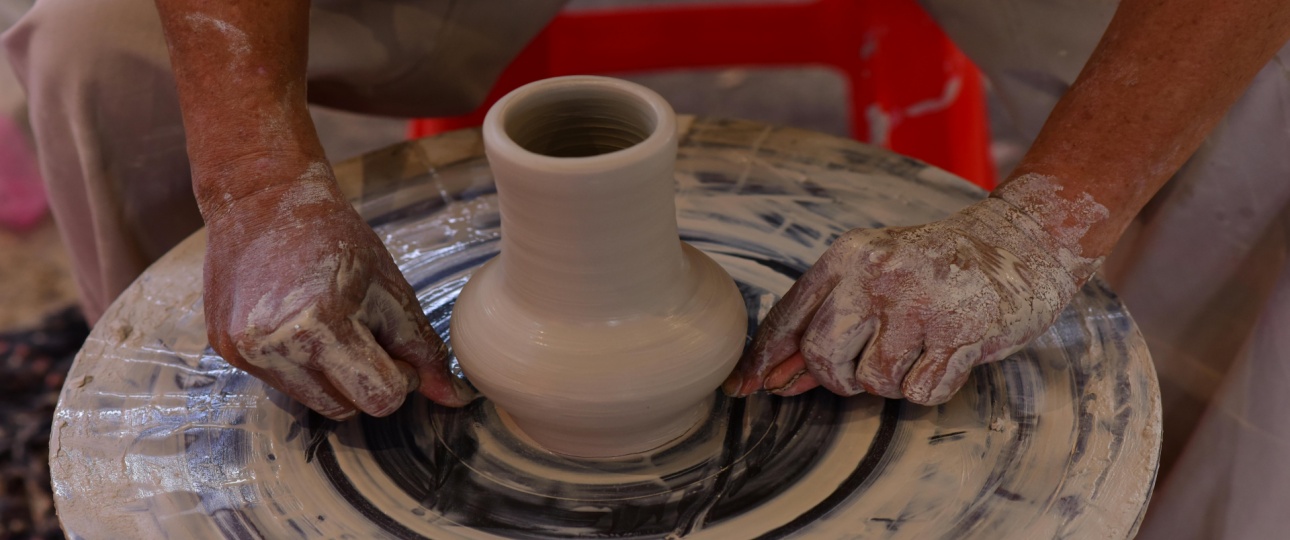
- Knead, throw, and glaze your own porcelain in two dedicated hands‑on workshops — one in a working studio in Jingdezhen’s Sanbao Ceramic Valley, and a second deep‑immersion session in a private kiln studio
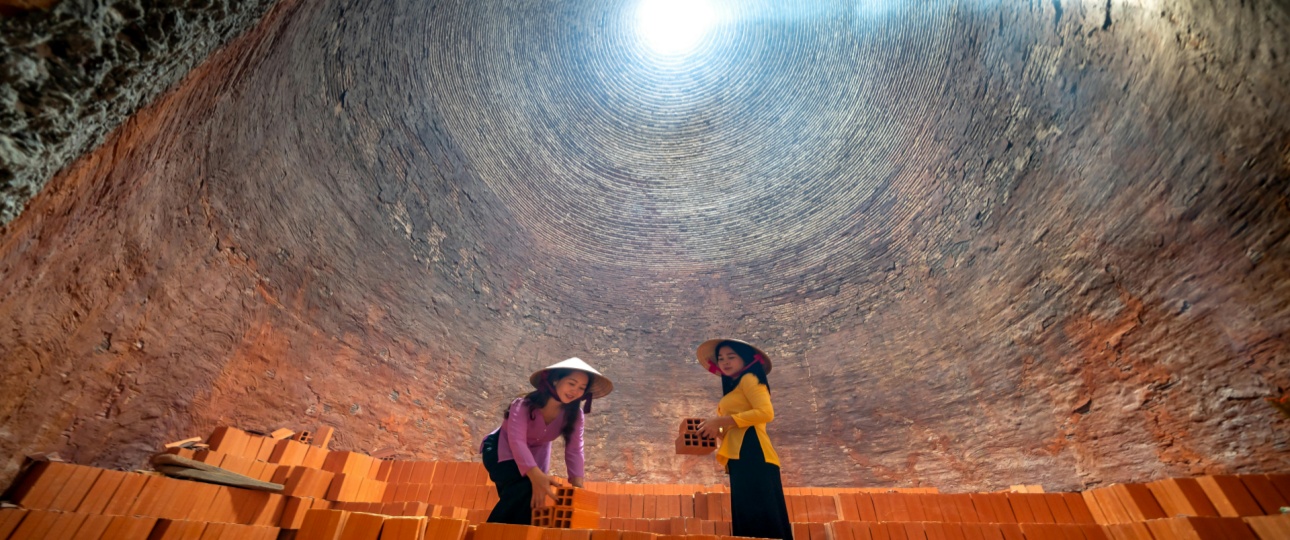
- Stand inside the world’s most beautiful wood‑fired kiln — Bingding Chai Kiln, where light filters through brick lattice in a sacred, cathedral‑like space
- Walk the imperial dragon kilns at Jingdezhen Ancient Kiln Folk Customs Museum, where porcelain has been fired since the Five Dynasties, and watch master artisans pull impossibly thin‑walled bowls
- Explore a once‑lost imperial workshop — the Ming‑Qing Imperial Kiln Museum, a UNESCO World Heritage candidate, where fragments of porcelain made for emperors still emerge from the earth
- Journey into the source of porcelain itself — Yaoli Ancient Town and its surrounding kaolin mines, where the raw material that made Jingdezhen famous was first discovered
- Stroll through China’s most stunning ceramic night market — Taoxichuan Creative District, where old factory buildings have been reborn as galleries, cafes, and a Friday‑Sunday artisan market
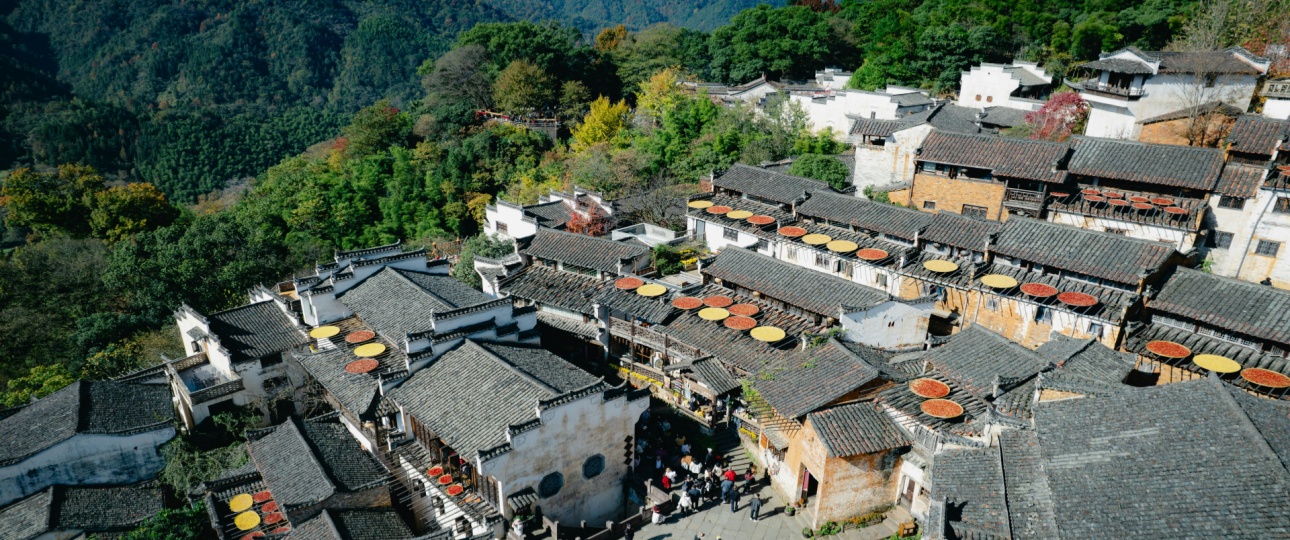
- Enter the world of Jiangxi’s timeless villages — spend two nights in Wuyuan, where Hui‑style white‑washed walls and black‑tiled roofs cluster against terraced tea mountains, creating one of China’s most photographed rural landscapes
- All intercity transfers by modern high‑speed rail with private vehicle support for last‑mile village and kiln access — daily transit never exceeds 2.5 hours
Itinerary
Days 1–2 · Jingdezhen — Arrival & First Touch of Clay
Land at Nanchang Changbei International Airport or Jingdezhen Luojia Airport via virtual international connection, then transfer by private vehicle or high‑speed rail to Jingdezhen. A restful first day eases jet lag. On Day 2, begin gently with the vast collections of the Jingdezhen China Ceramics Museum, a gallery dinner at the architectural masterpiece that is the Imperial Kiln Museum, and an evening stroll through the Taoxichuan Creative District.
Days 3–4 · Jingdezhen — Hands in the Mud
Two days of deep craft immersion. On Day 3, visit the Ancient Kiln Folk Customs Museum to witness four dynasties of wood‑fired kilns and try your hand at throwing porcelain alongside master artisans. On Day 4, explore the creative ferment of the Sanbao International Ceramic Valley — studios, galleries, and a hands‑on workshop where you will knead, throw, shape, and decorate your own piece, which will be fired and shipped home.
Days 5–6 · Wuyuan — The Countryside of Ink and Mist
Venture by private vehicle into the nearby Huizhou‑culture region of Wuyuan. Spend two days walking the ancient villages of Sixi Yancun, the famous sun‑drying terraces of Huangling, and the timeless waterways of Likeng — where whitewashed walls and black‑tiled roofs frame a landscape unchanged for centuries.
Days 7–9 · Yaoli Scenic Area — The Source of Porcelain
Drive to Yaoli for the journey’s deepest chapter. On Day 7, travel to the source of Chinese ceramics — Yaoli Ancient Town and its historic kaolin mines. On Day 8, experience the architectural wonder of Bingding Chai Kiln followed by a full‑day immersion in a private kiln studio. On Day 9, a full free day for riverside market shopping, museum revisiting, and rest.
Day 10 · Jingdezhen — Farewell Feast
A gracious final chapter in Fuliang Ancient County, then an evening farewell dinner featuring Jiangxi’s distinctive gan‑cuisine.
Day 11 · Departure
A final morning at leisure before a private transfer to the airport or railway station.
Your private chauffeur will be waiting at Nanchang Changbei International Airport (KHN) or Jingdezhen Luojia Airport (JDZ) holding a name sign. Jingdezhen Luojia Airport offers “virtual international flights” via Nanchang — travelers can book through China Eastern Airlines’ app to seamlessly connect from Osaka, Singapore, Bangkok, or other international hubs. The transfer to your hotel is approximately 30–50 minutes. No activities are scheduled today. After a transpacific flight, rest and recovery are paramount. A welcome dinner featuring Jiangxi’s distinctive gan‑cuisine is available at the hotel.
Accommodation: Taoxichuan Hotel, in the Unbound Collection by Hyatt — designed by British architect David Chipperfield, a five‑star architectural landmark hotel located within the Taoxichuan Creative District
Meals Included: Welcome Dinner
After a leisurely breakfast, visit the Jingdezhen China Ceramics Museum (free entry, advance reservation required, open Tuesday–Sunday 09:00–17:00, closed Mondays). This museum houses over 20,000 ceramic artifacts spanning the Neolithic to modern times — the definitive collection of Chinese ceramic art.
In the afternoon, visit the Ming‑Qing Imperial Kiln Museum (Taoyangli Imperial Kiln Scenic Area) (open 08:30–22:00, admission approximately ¥60). Built on the site where porcelain was fired exclusively for Ming and Qing emperors, the museum’s architecture — a series of vaulted brick forms inspired by traditional kilns — is as compelling as the artifacts within.
In the evening, your guide can suggest a self‑guided stroll through the Taoxichuan Creative District — a former state‑owned porcelain factory transformed into a vibrant quarter of galleries, design shops, and cafes. The district is open daily with a weekend artisan market (Friday–Sunday evenings).
Accommodation: Taoxichuan Hotel, in the Unbound Collection by Hyatt
Morning visit to the Jingdezhen Ancient Kiln Folk Customs Museum (open daily 08:00–17:30, admission ¥95). This AAAAA‑rated national scenic area preserves kilns from the Five Dynasties through the Qing Dynasty, where you can witness master artisans demonstrating traditional porcelain‑making techniques — from clay preparation to throwing, trimming, glazing, and decorating. The site also features live ci‑yue (porcelain instrument) performances.
In the afternoon, experience your first hands‑on pottery workshop at the museum: try your hand at the potter’s wheel and learn basic shaping techniques from a local master. This is a gentle introduction to the craft before your deeper immersion on Day 8.
Accommodation: Taoxichuan Hotel, in the Unbound Collection by Hyatt
Spend the day in the Sanbao International Ceramic Valley (Sanbao International Porcelain Valley), an open‑air art zone located approximately 5 km south of Jingdezhen’s city center. This 12.4‑square‑kilometer valley is a free, 24‑hour‑open creative ecosystem, home to the studios and galleries of ceramic artists from across China and around the world. The valley was founded in 1995 by internationally‑recognized ceramic artist Li Jianshen and has grown into one of China’s most important contemporary ceramic art hubs.
Spend the morning visiting artist studios and small galleries. In the afternoon, a second hands‑on workshop in a working studio where you will throw, shape, and decorate your own piece — which will be fired and shipped to your home. The “throw‑glaze‑fire” DIY experience packages are widely available throughout Sanbao Valley.
Accommodation: Taoxichuan Hotel, in the Unbound Collection by Hyatt
After breakfast, transfer by private vehicle to Wuyuan County (approximately 1.5 hours). Wuyuan is celebrated as one of China’s most beautiful rural areas, renowned for its Hui‑style architecture characterized by whitewashed walls, black‑tiled roofs, and intricate carved details.
On arrival, visit Sixi Yancun, a village famous for its well‑preserved Ming‑ and Qing‑dynasty Hui‑style residential buildings, including some of the finest examples of traditional wood, brick, and stone carving in Jiangxi. Continue to Likeng Village — a picturesque settlement built along a winding stream, where arched stone bridges and laundry washed in running water evoke a timeless landscape.
Accommodation: Wuyuan International Hotel or a boutique Hui‑style courtyard hotel
Spend the morning at Huangling Scenic Area (open daily 08:00–20:00/21:30 depending on season, admission including round‑trip cable car approximately ¥140–145), a 500‑year‑old village perched on a mountainside and now a national 5A scenic area. Famous for its shaiqiu (sun‑drying) tradition — where farmers spread chili peppers, corn, and persimmons on circular drying racks cantilevered from building facades — Huangling offers one of China’s most iconic rural panoramas.
In the afternoon, return to Jingdezhen (approximately 1–1.5 hours by private vehicle).
Accommodation: Taoxichuan Hotel, in the Unbound Collection by Hyatt
A full‑day excursion northeast of Jingdezhen to Yaoli Ancient Town, approximately 43 km from the city center (about 1 hour by private vehicle). Yaoli is a national AAAA‑rated scenic area where the raw material that made Jingdezhen famous — kaolin clay — was first discovered and mined. The ancient town is free to enter; a combined ticket for major scenic spots within the area costs approximately ¥110.
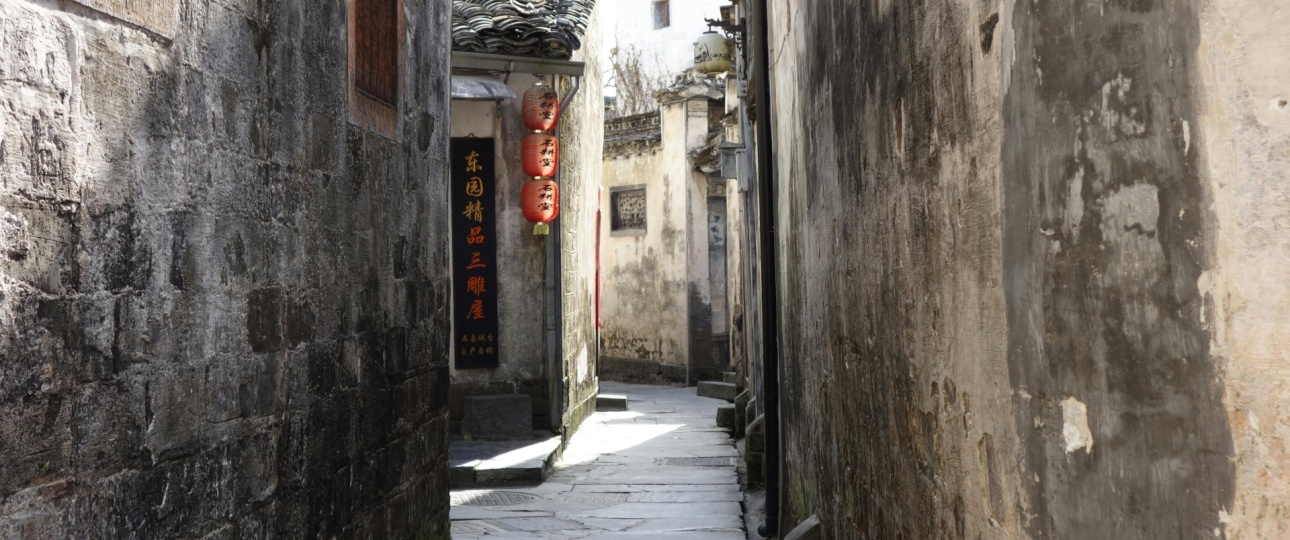
Walk the cobblestone lanes of ancient Yaoli, visit the historic kaolin mine sites and old wharves along the Yao River, and explore the well‑preserved Ming‑ and Qing‑dynasty buildings. This area’s natural scenery — forested mountains, clear streams, bamboo groves — offers a serene counterpoint to the urban creative energy of Jingdezhen.
Accommodation: Taoxichuan Hotel, in the Unbound Collection by Hyatt
Morning visit to Bingding Chai Kiln, one of the world’s most architecturally stunning wood‑fired kilns, located about 1 hour from Jingdezhen’s city center (admission ¥30/person, closed Tuesdays, normally open 08:00–18:00). Designed with a soaring brick‑vaulted interior, morning light filters through gaps in the brick lattice, creating an atmosphere that has been described as profoundly spiritual — the “most beautiful wood‑fired kiln in the world”.
In the afternoon, your deepest craft immersion: a full‑day session at a private kiln studio on the outskirts of Jingdezhen. Under the guidance of a master ceramicist, you will create a finished piece from start to finish — clay preparation, throwing, trimming, glazing, and decorating — and place it into the kiln for firing. This is not a tourist demonstration. It is a genuine apprenticeship in miniature.
Accommodation: Taoxichuan Hotel, in the Unbound Collection by Hyatt
A full free day for shopping and independent exploration — no group schedule, no forced stops. Recommendations include:
- Taoxichuan Creative District and surrounding areas for contemporary ceramic design, artisan jewelry, and unique homewares
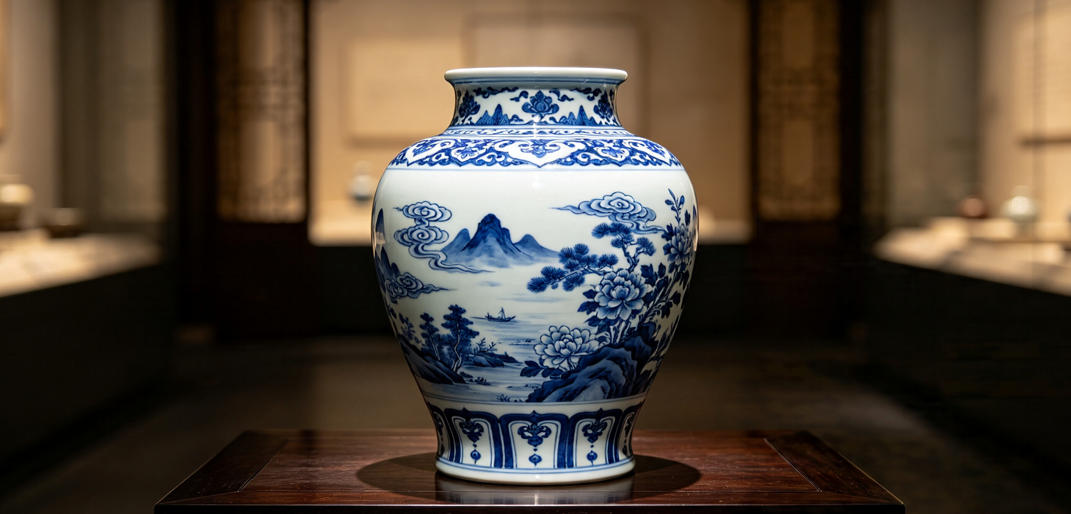
- Porcelain markets near the city center for classic blue‑and‑white ware, tea sets, and decorative pieces
- Jingdezhen’s specialty food shops for local delicacies
Your guide is available for recommendations and assistance or can leave you to explore independently. Your fired piece from Day 8 may also be collected today.
Accommodation: Taoxichuan Hotel, in the Unbound Collection by Hyatt
Morning visit to Fuliang Ancient County (open 08:00–17:00, admission ¥45–50). This is the only surviving five‑rank ancient county government seat in China, featuring a well‑preserved Song‑dynasty red pagoda and a courtroom where the daily “court‑in‑session” performance is held at 10:00.
In the evening, a farewell dinner at a carefully selected local restaurant, featuring Jiangxi’s distinctive gan‑cuisine — the refined, nuanced flavors of one of China’s less‑known but deeply sophisticated regional food cultures.
Accommodation: Taoxichuan Hotel, in the Unbound Collection by Hyatt
Enjoy a final breakfast at the hotel. Depending on your flight schedule, you may have time to pack and rest. A private driver will transfer you to Jingdezhen Luojia Airport (JDZ) — which offers virtual international connections to Osaka, Singapore, Bangkok, and other hubs via Nanchang — or directly to Nanchang Changbei International Airport (KHN) (approximately 2–2.5 hours by vehicle) for your connecting flight. Nanchang Changbei Airport operates direct international flights to Singapore (Tuesdays, Thursdays, Saturdays) and other Asian gateway cities.
Includes/Excludes
Cost Includes
- 10 nights’ accommodation at the five‑star Taoxichuan Hotel, in the Unbound Collection by Hyatt (Jingdezhen), and a boutique Hui‑style hotel (Wuyuan)
- Daily breakfast (Day 2–Day 11)
- Welcome dinner (Day 1) and farewell dinner (Day 10)
- Private English‑speaking guide throughout the journey, with specialized knowledge of Chinese ceramic history and culture
- All intercity transfers in a private air‑conditioned vehicle, including:
- Airport arrival & departure transfers
- All daily excursion transportation
- All entrance fees to listed scenic areas and cultural sites
- Two hands‑on pottery workshops (Days 3 & 8), including materials, instruction, and shipping of your fired piece
- 24/7 local operations support
Cost Excludes
- International airfare to and from China / North America
- Chinese visa fees (a standard L tourist visa is required; we provide an invitation letter and full documentation package)
- Lunches and most dinners (except where specified) — budget approximately CNY 100–250 per meal per person
- Personal expenses (laundry, mini‑bar, alcoholic beverages beyond included meals)
- Tips for guides and drivers (discretionary)
FAQs
Yes. Both workshop sessions (Days 3 and 8) produce finished pieces. The Day 8 deep-immersion session includes professional kiln firing — your piece will be glazed, fired, cooled, and shipped to your home address via international courier. Shipping typically takes 3–4 weeks. This is a well-established service throughout Jingdezhen’s studio ecosystem; your guide will handle all logistics. You need only create.
The Day 3 workshop at the Ancient Kiln Folk Customs Museum is a gentle introduction — about 1–1.5 hours on the potter’s wheel, learning basic centering and shaping. It is designed to give you a feel for the material before your deeper immersion. The Day 8 session is a full-day commitment in a private kiln studio on the city’s outskirts: you will work through every stage from clay preparation to decorating, and your piece enters the kiln. No prior experience is required for either.
Yes. Your dedicated guide is not a generalist — they are selected specifically for knowledge of Chinese ceramic history, terminology, and production techniques. They can translate nuanced conversations with master artisans, explain the chemistry of glazes, and contextualize what you see in museum collections. This is not a generic city guide.
It is a single-itinerary air-plus-rail connection bookable through China Eastern Airlines’ app. For example, a traveler departing Jingdezhen for Osaka would purchase one ticket covering both the domestic flight from Jingdezhen to Nanchang (or high-speed rail segment) and the onward international flight from Nanchang to Osaka — with baggage checked through. If this routing proves inconvenient, we recommend flying directly into Nanchang Changbei International Airport (KHN), which offers direct international flights from Singapore, Bangkok, and other Asian hubs, then transferring to Jingdezhen by private vehicle (approximately 2–2.5 hours) or high-speed rail (approximately 1–1.5 hours).
None whatsoever. The Day 9 shopping recommendations — Taoxichuan Creative District, porcelain markets near the city center, specialty food shops — are suggestions only. You are free to explore independently or request a guide recommendation. No commissions, no designated shops, no staged “factory outlet” visits. This policy applies to the entire itinerary.
Wuyuan’s Hui-style villages are part of the same cultural and economic ecosystem that sustained Jingdezhen’s kilns for centuries. The region’s wealthy merchants and scholar-officials were patrons of porcelain production; the villages’ carved wood, brick, and stone ornamentation reflect the same aesthetic language visible in Jingdezhen’s decorative traditions. Additionally, Wuyuan’s tranquility — white walls, black tiles, tea terraces, mist — offers a deliberate visual and atmospheric counterpoint to the urban creative energy of Jingdezhen, giving the journey a more complete narrative arc.
Bingding Chai Kiln is a fully operational wood-fired kiln. While visitors cannot fire it themselves, the kiln is actively used by ceramic artists, and your guide will explain the firing process, the architecture, and why the brick-vaulted structure is considered a masterpiece of kiln design. Morning visits offer the best light through the lattice brickwork. It is closed Tuesdays; we schedule around this.
Pottery requires moderate hand and arm dexterity — centering clay on a wheel engages forearm muscles most people rarely use. The workshops are paced with breaks, and the master artisans are accustomed to guiding novices of all ages. No heavy lifting or prolonged standing is required. If you have wrist, hand, or shoulder concerns, please inform us at booking so your instructor can adapt the session accordingly.
Yes, and Day 9 is intentionally left open for this purpose. The Taoxichuan Creative District is particularly strong for contemporary ceramic design and artisan tea ware. For classic blue-and-white or traditional styles, the porcelain markets near the city center offer a vast selection. Your guide can recommend specific studios and shops based on your interest, or leave you to explore independently. If you purchase a tea set and wish to use it during the farewell dinner on Day 10, the restaurant can accommodate.
Jingdezhen is a compact city. The Taoxichuan Hotel serves as a stable base, allowing you to unpack once and explore the city and its surrounding valleys, kilns, and villages via short daily excursions — the single longest drive (to Yaoli, Day 7) is approximately one hour each way. The two-night Wuyuan interlude (Days 5–6) is the only hotel change. We designed this to minimize packing fatigue while still giving you the countryside counterpoint that makes the itinerary sing.